Discover New Homes and Community Investments in Our Neighborhoods
Quick Summary / Key Takeaways
- Housing development in Baltimore includes new homes, renovated properties, mixed-income projects, and community-led investment happening right on your block.
- Learning what’s happening in your neighborhood can be a meaningful step toward building stability, growing equity, and investing in your family’s future.
- Baltimore’s development efforts are focused on strengthening neighborhoods, preserving legacy homeownership, and making sure long-time residents can stay and benefit as communities grow.
- Staying informed and connected with local community organizations and city partners can help you learn about projects and opportunities near you.
- Understanding the full range of development options—from affordable housing to market-rate homes—can help you find what fits your needs and long-term goals.
If you’re exploring homeownership or trying to understand what new housing options are available in your neighborhood, NHS of Baltimore can help you make sense of the process. From homebuyer education to guidance on assistance programs and next steps, we’re here to support informed, confident decisions rooted in your goals and your community.
Find Your Starting Point
Introduction
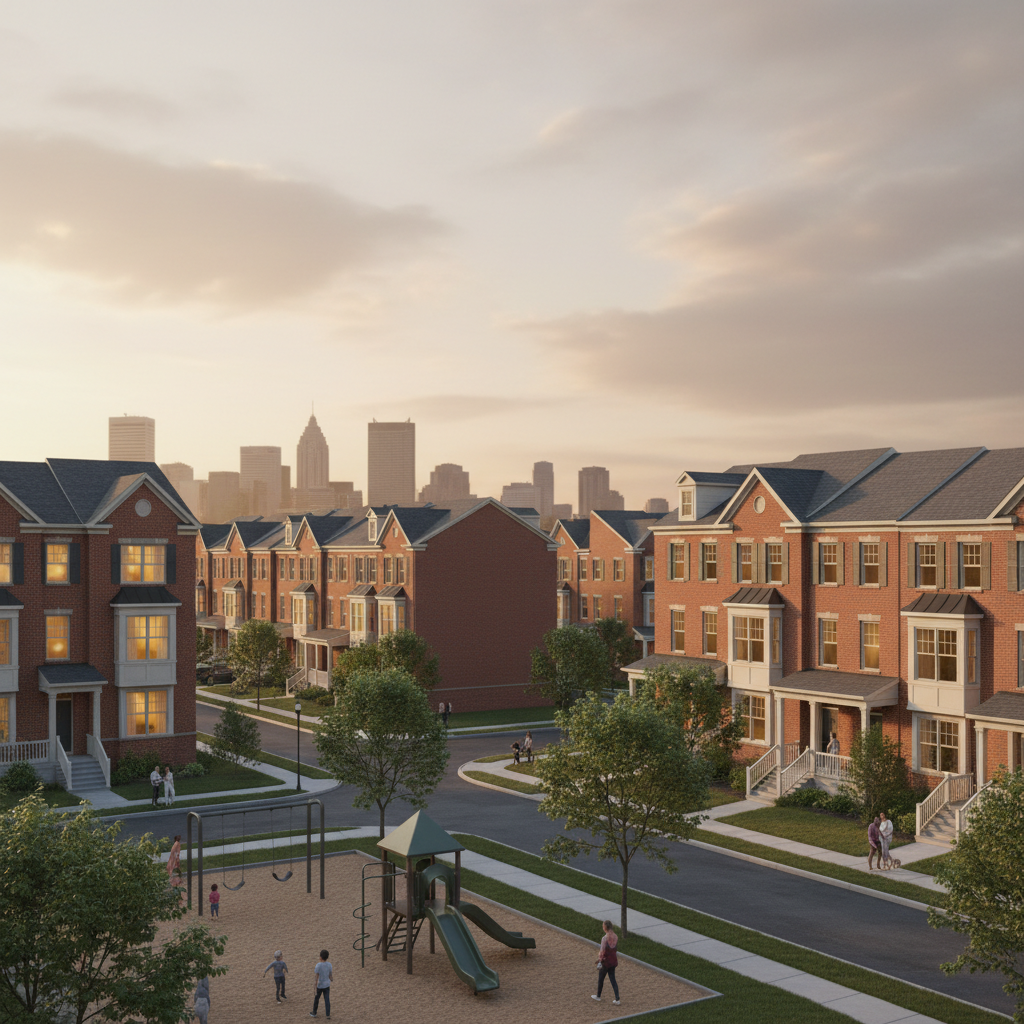
Types of Housing Developments in Baltimore
| Development Type | Description | Typical Goal | Who Benefits |
|---|---|---|---|
| New Construction | New homes built on vacant lots or redeveloped sites within existing neighborhoods. | Expand housing options while supporting long-term neighborhood stability. | First-time homebuyers, growing families, and residents ready to build equity. |
| Renovated Properties | Existing homes repaired and restored, often preserving historic features and block character. | Stabilize blocks, protect neighborhood identity, and strengthen community roots. | Buyers seeking long-term stability, legacy homeownership, and a strong sense of place. |
| Mixed-Income Projects | Homes offered at different price points, including affordable options within the same development. | Create inclusive communities where families of different incomes can grow together. | Residents across income levels looking for stability, opportunity, and connection. |
| Community-Led Initiatives | Projects shaped by neighborhood residents and local organizations, often supported by public or nonprofit funding. | Address local priorities and keep decision-making power rooted in the community. | Long-time residents, first-time buyers, and neighbors invested in their block’s future. |
Resources for Finding Local Housing Opportunities
| Resource Type | What They Offer | How to Access | Key Benefit for You |
|---|---|---|---|
| City Housing Agencies | Information on city-supported housing projects, grants, and homeownership programs available to you. | Baltimore Housing website and local community meetings. | Direct access to official programs designed to support Baltimore City residents. |
| Non-Profit Developers | Affordable housing opportunities, homebuyer education, and long-term community support. | Their websites, housing counseling agencies, and neighborhood community centers. | Guidance and affordable options rooted in the communities where you live. |
| Community Associations | Updates on neighborhood projects and ways for residents to share input and shape decisions. | Neighborhood meetings, block associations, and local newsletters. | Local insight and a real voice in what happens on your block. |
| Real Estate Listings | Market-rate homes and some affordable listings for sale or rent. | Online platforms (such as Zillow or Redfin) and trusted local realtors. | A broad view of available homes so you can explore options that fit your goals. |
Before You Start Looking for a Home
- Clarify what you need in a home and set a budget that fits your life and long-term plans.
- Learn about Baltimore neighborhoods that match your lifestyle, priorities, and what matters most to you over time.
- Connect with local community associations to hear directly from neighbors and community leaders.
- Check city housing department websites to stay up to date on current projects and opportunities.
Connecting With Neighborhoods and Resources
- Visit open houses and development sites in person to get a real feel for the home and the block.
- Talk with residents who already live in the neighborhood to learn what day-to-day life is really like.
- Review financing options and homebuyer assistance programs that may help lower upfront costs.
- Meet with a trusted local real estate agent or housing counselor to plan your next steps with clarity and confidence.
Table of Contents
Section 1: UNDERSTANDING "HOUSING DEVELOPMENTS NEAR ME" IN BALTIMORE
- What exactly are "housing developments near me" in Baltimore?
- How do housing developments benefit existing Baltimore communities?
- What's the difference between new construction and renovated properties?
Section 2: FINDING NEW HOMES AND OPPORTUNITIES
- Where can I find information about new housing projects in Baltimore?
- Are there affordable housing developments available for Baltimore residents?
- How can I get involved in planning for local housing developments?
- What resources are available for first-time homebuyers in Baltimore's new developments?
Section 3: COMMUNITY IMPACT AND RESIDENT INVOLVEMENT
- How do housing developments address concerns about displacement and gentrification?
- What role do community associations play in new housing projects?
- Can I provide input on housing developments happening in my neighborhood?
- How do mixed-income developments support community diversity?
Section 4: INVESTING IN YOUR FUTURE IN BALTIMORE
- How can buying into a new housing development help build family wealth?
- What are the long-term benefits of investing in a Baltimore home?
- Are there programs to help preserve legacy homeownership in developing areas?
- What steps should I take to prepare for purchasing a home in a new development?
Frequently Asked Questions
Section 1: Understanding "Housing Developments Near Me" in Baltimore
FAQ 1: What exactly are "housing developments near me" in Baltimore?
In Baltimore, “housing developments near you” refers to new homes, renovated properties, mixed-income projects, and community-led investments happening in the neighborhoods where you live. These projects focus on expanding housing choices, reinvesting in existing blocks, and supporting long-term neighborhood stability for residents. Developments can include single-family homes, small multi-unit buildings, or larger apartment communities, often with a mix of market-rate and affordable options. Many are planned with the surrounding community in mind—bringing investment and opportunity while honoring Baltimore’s history, long-time residents, and sense of place.FAQ 2: How do housing developments benefit existing Baltimore communities?
Housing developments can benefit existing Baltimore communities when you and your neighbors are kept at the center and growth is focused on strengthening, not replacing, the people who already call a neighborhood home. New construction and renovation projects can help protect home values, support long-term homeownership, and encourage reinvestment on your block. When homes are repaired or added, neighborhoods may also see improvements to streets, parks, and shared spaces that support everyday life. New residents can help sustain local businesses, while longtime residents benefit from a stronger local economy and renewed activity where they live. When done thoughtfully, these projects can build community pride, preserve legacy homeownership, and help families grow wealth that stays rooted in the neighborhood.FAQ 3: What's the difference between new construction and renovated properties?
New construction means homes built from the ground up, often on vacant lots or previously cleared sites, and they typically offer modern layouts, updated systems, and improved energy efficiency. Renovated properties are existing homes that have been repaired and restored, preserving their original structure and character while adding updates that support safe, healthy living today. For you as a buyer, new construction can offer a fresh start with fewer immediate repairs, while renovated homes often come with historic charm and a strong connection to an established block. In Baltimore, both play an important role—new builds help expand housing options, while renovations protect neighborhood character and support legacy homeownership. If you’re considering a renovated home or already own one, NHS of Baltimore offers home repair and rehab programs that can help you address critical repairs, improve safety, and protect the long-term value of your home.Section 2: Finding New Homes and Opportunities
FAQ 4: Where can I find information about new housing projects in Baltimore?
You can find information about new housing projects in Baltimore by starting with the Baltimore City Housing Department website, which shares updates on city-supported projects, programs, and timelines. Connecting with local community and neighborhood associations can also be helpful, since they often hear about developments early and host meetings where you can ask questions and share your input. Nonprofit housing organizations rooted in Baltimore neighborhoods can help explain how projects work and whether there are opportunities for homeownership, rehab support, or financial assistance. Trusted local real estate agents familiar with new and renovated homes can also point you toward current listings and upcoming developments. Attending community planning meetings or housing workshops is another way to stay informed and connected to what’s happening in your neighborhood.FAQ 5: Are there affordable housing developments available for Baltimore residents?
Yes, affordable housing options do exist in Baltimore, and finding the right one depends on factors like your income, household size, and the program you’re applying for. Affordable housing in the city takes many forms, including income-restricted rentals, homeownership and renovation programs, vouchers, and new or rehabilitated homes supported by city and state resources. You can start your search with trusted public tools and local partners. The state-run MdHousingSearch.org database lists affordable rental options across Maryland and is updated regularly. At the city level, Baltimore City’s Department of Housing & Community Development (DHCD) offers programs like the $1 House / Fixed Pricing Program, which allows buyers to purchase vacant city-owned homes at a low cost when they commit to renovating the property and staying invested in the neighborhood. Regional and state partners also help expand options. The Baltimore Metropolitan Council supports project-based voucher programs that connect residents to affordable units, while the Maryland Department of Housing and Community Development helps fund affordable housing developments statewide through tools like the Maryland Affordable Housing Trust. City-supported programs, including rapid re-housing initiatives, focus on helping residents move into stable, permanent housing as quickly as possible. Because affordable housing in Baltimore includes subsidized rentals, renovation-based homeownership, and community-driven development, finding the right fit often means checking more than one official source and staying engaged. Some neighborhoods within Baltimore City may offer more affordable opportunities depending on the program and timing.FAQ 6: How can I get involved in planning for local housing developments?
You can get involved in planning for local housing developments by showing up and sharing your voice early in the process. Neighborhood and community association meetings often review proposed projects and invite resident feedback, giving you a chance to ask questions and speak to what your block and neighbors need. City planning offices in Baltimore also hold public hearings and workshops where you can learn what’s being proposed and weigh in before decisions are finalized. If you want to stay more closely involved, joining a neighborhood advisory group or partnering with a local community organization can give you a consistent seat at the table. Your lived experience matters—resident voices help shape housing that supports long-time neighbors, protects community stability, and reflects shared priorities.FAQ 7: What resources are available for first-time homebuyers in Baltimore's new developments?
Baltimore offers clear, resident-centered resources to support first-time homebuyers who are considering new developments. These include down payment assistance programs and homebuyer education courses that help you prepare financially and make informed decisions early in the process. The Baltimore City Department of Housing and Community Development (DHCD) offers grants and low-interest or deferred loans that can lower upfront costs and support long-term, sustainable homeownership for city residents. Local nonprofit housing counseling agencies also play an important role by providing free or low-cost guidance on budgeting, understanding mortgages, and navigating each step of the homebuying process. In some cases, new developments partner with lenders or housing organizations to offer buyer incentives or financing options designed with first-time buyers in mind. Together, these resources are meant to put information, choice, and support in your hands so homeownership feels realistic and within reach.Not sure what mortgage options fit your situation?
NHS of Baltimore offers education, counseling, and local insight to help you understand your choices and take your next step with confidence.
Explore Mortgage Options
Section 3: Community Impact and Resident Involvement
FAQ 8: How do housing developments address concerns about displacement and gentrification?
Housing developments in Baltimore can address concerns about displacement and gentrification when residents are centered in the planning process, not just new investment. Many projects take steps such as including mixed-income housing, preserving affordable homes, and setting clear community benefits so you and your neighbors can stay and share in neighborhood growth. Some developments prioritize current residents through right-of-return options or pricing that supports local homeownership, helping families remain rooted even as investment comes in. City policies and community partners support early, ongoing conversations with residents, so concerns are heard and addressed before decisions are finalized. The focus is on growth that builds on what’s already here—protecting legacy homeownership, supporting stability, and creating opportunity without pushing people out.FAQ 9: What role do community associations play in new housing projects?
Community associations play a vital role in new housing projects by acting as a collective voice for residents, advocating for neighborhood interests, and facilitating communication between developers and the community. They review development proposals, provide feedback to city planners, and often negotiate with developers on behalf of their members. Their involvement helps ensure that new projects align with the community's vision, address local concerns, and contribute positively to the neighborhood's character. Strong community associations are essential partners in shaping thoughtful growth.FAQ 10: Can I provide input on housing developments happening in my neighborhood?
Yes, you can provide input on housing developments in your neighborhood, and your voice matters. Residents play a real role in shaping what happens on their block. You can attend public meetings hosted by your community association or Baltimore City planning offices, where development proposals are shared and resident feedback is invited early in the process. You can also submit written comments during public review periods, which become part of the public record and help guide decisions. Reaching out to your local councilperson’s office is another way to share concerns, ask questions, and make sure neighborhood priorities are clearly understood. When residents show up and speak up, projects are more likely to reflect real community needs, protect long-term neighbors, and support stability on the block.FAQ 11: How do mixed-income developments support community diversity?
Mixed-income developments support community diversity by creating housing options for people across different income levels within the same neighborhood. This approach helps limit economic separation and supports neighborhoods where longtime residents and new neighbors can live, invest, and grow side by side. By offering both market-rate and affordable homes, these developments help ensure that families can stay rooted even as neighborhoods change. For you and your neighbors, this kind of development can support more stable blocks, strengthen local schools, and sustain small businesses that reflect what the community actually needs. When people from different backgrounds share the same spaces, it builds stronger connections and helps neighborhoods remain balanced and resilient over time. The goal is inclusive growth—so communities remain places where people can stay, belong, and build lasting opportunities together.Section 4: Investing in Your Future in Baltimore
FAQ 12: How can buying into a new housing development help build family wealth?
Buying into a new housing development can help you build family wealth over time by turning monthly housing costs into long-term equity that you own. As you make mortgage payments and your home’s value grows, you build equity—an asset rooted in your household and your future. Homeownership can also bring more predictable housing costs, helping you plan ahead without the uncertainty of rising rents. For many Baltimore families, owning a home is about both stability and financial power. It can create a foundation that supports long-term security, the ability to reinvest in your household, and opportunities to pass on ownership and opportunity to the next generation. In some cases, homeowners may also benefit from tax advantages tied to mortgage interest or property taxes, which can support overall financial planning. Taken together, homeownership is a practical way to build wealth that lasts—grounded in your neighborhood and shaped by your goals.FAQ 13: What are the long-term benefits of investing in a Baltimore home?
Investing in a Baltimore home offers lasting benefits that support your financial stability and your connection to the community. Over time, owning your home allows you to build equity—wealth that belongs to you and your family. As your home’s value grows and your mortgage balance goes down, you’re building something you can keep, rely on, and pass on. Homeownership can also bring more predictable housing costs, giving you greater control compared to renting, where prices can change year to year. Beyond finances, owning a home helps you put down roots where you live. It can strengthen your sense of belonging, encourage involvement in local life, and support long-term stability for you, your family, and your neighbors. For many Baltimore residents, homeownership is about building a future rooted in place, power, and possibility.FAQ 14: Are there programs to help preserve legacy homeownership in developing areas?
Yes, Baltimore has programs designed to help you stay in your home and protect the equity you’ve built, especially in neighborhoods where change and rising property values can create pressure. These supports often include property tax credits, home repair grants, and legal assistance that help long-time residents maintain their homes and stay rooted as their neighborhoods evolve. The Baltimore City Department of Housing and Community Development (DHCD), along with community-based nonprofit housing organizations, offers resources focused on preserving legacy homeownership and supporting families who want to remain part of their neighborhood’s future. Programs like the Homestead Tax Credit and neighborhood stabilization funds are designed to lower ongoing costs, support needed repairs, and protect ownership as communities grow. These efforts are about making sure new investment builds on what’s already here—so residents who have shaped their blocks can continue to live, invest, and build wealth that lasts.FAQ 15: What steps should I take to prepare for purchasing a home in a new development?
Preparing to buy a home in a new development starts with getting clear about your finances and your goals so you can move forward with confidence. Begin by looking closely at your credit, income, and savings to understand what fits your budget and long-term plans, including down payment and closing costs. Getting pre-approved for a mortgage early helps you know what you can afford and signals to builders and sellers that you’re prepared and ready to move forward. Take time to explore specific developments, builders, and neighborhoods so you can choose options that align with your needs, values, and vision for homeownership. Working with a real estate agent who understands new construction can help you navigate contracts, timelines, and key decisions, while making sure your interests are represented. It’s also important to plan for the full timeline—new builds can take longer than buying an existing home, so being prepared helps reduce stress and surprises. If you want guidance as you prepare, NHS of Baltimore offers homebuyer education to help you understand financing, budgeting, and the steps to homeownership—so you can make informed decisions before you buy.Finding the right home starts with having the right information and support.
Whether you’re exploring new developments, considering a renovated property, or just beginning to think about homeownership, NHS of Baltimore is here to help you understand your options and plan your next steps with clarity and confidence.
Become a Homeowner
Building Wealth and Community Across Maryland—With Baltimore City Resources Highlighted Where Additional Support May Be Available
Quick Summary / Key Takeaways
- Maryland offers first-time homebuyer programs—such as the Maryland Mortgage Program (MMP)—that may help you take a clearer, more supported path toward homeownership, based on eligibility and funding availability. For Baltimore City residents, additional local resources may also be available to provide extra support.
- Understanding your current credit picture and taking steps to strengthen it can give you more choices, including access to more flexible loan options and potential cost savings.
- Down payment and closing cost assistance programs may help lower upfront costs, making it easier to move from renting to owning without overextending your household budget. NHS of Baltimore maintains a curated list of down payment assistance programs specifically for Baltimore City buyers, helping you identify which options may apply locally.
- Homebuyer education is often required for many state and local programs and offers clear, practical tools to help you make informed, confident decisions throughout your homeownership journey.
- Working with a local real estate agent and lender who regularly support first-time buyers in Maryland can help you navigate available programs, avoid surprises, and move forward with confidence and clarity.
You don’t have to figure this out alone.
Whether you’re just beginning to explore homeownership or ready to take the next step, NHS of Baltimore is here to help you understand your options, build a plan, and move forward with clarity and confidence.
Find Your Starting Point
Introduction

Maryland First-Time Homebuyer Programs
| Program | Key Benefit | Who It Supports | Example Assistance |
|---|---|---|---|
| Maryland Mortgage Program (MMP) | Offers fixed-rate loan options that can support predictable payments and long-term stability | First-time buyers who meet program income, credit, and purchase requirements | Down payment and closing cost assistance may be available, depending on eligibility and funding |
| DHCD Programs | May help lower upfront costs and support long-term homeownership in Baltimore City neighborhoods | Buyers purchasing in targeted areas or meeting specific program guidelines | Grants or loans may be available; amounts vary by program and funding cycle |
| House Keys 4 Employees | May support buying a home closer to work through participating employer partnerships | Employees of participating organizations, based on employer participation and eligibility | Loan or grant assistance may be available; amounts vary by employer and program |
| Live Near Your Work | Encourages homeownership near workplaces to strengthen neighborhood connection | Eligible Baltimore City employees and workers at participating employers | Grants may be available; amounts vary by employer, location, and funding availability |
Key Financial Milestones for Maryland Homebuyers
| Milestone | What It Means for You | Why It Matters for Your Homeownership Goals | Action You Can Take |
|---|---|---|---|
| Credit Score Check | Knowing where your credit stands before you start shopping | Helps determine which loan options, interest rates, and assistance programs you may qualify for | Request your free credit report and review it for accuracy and next steps |
| Budgeting for Costs | Planning for monthly payments, upfront costs, and ongoing home expenses | Supports long-term stability and helps you choose a home you can afford to keep | Track your income and expenses to build a realistic, sustainable budget |
| Pre-Approval | A lender review that shows what price range fits your finances | Gives you clarity, strengthens your offer, and helps you shop with confidence | Gather and submit key financial documents to a trusted lender |
| Closing Day Funds | The final amount you bring to complete your home purchase | Makes your homeownership official and puts the home in your name | Confirm your final amount and send funds securely as directed |
Getting Ready to Apply for a Home in Mary Land
- Check your credit score and begin improving it if needed.
- Attend a Maryland-approved homebuyer education course.
- Research Maryland-specific down payment and assistance programs.
- Get pre-approved for a mortgage with a local Maryland lender.
After You Move In: Setting Up for Long-Term Stability
- Set up your new home's utilities and change your address.
- Review your home insurance policy for adequate coverage.
- Create a home maintenance schedule and budget for repairs.
- Explore property tax credits or exemptions you may qualify for.
Ready to explore what support may be available to you?
Down payment assistance programs can help reduce upfront costs and make homeownership more attainable for Baltimore City residents. Reviewing your options is a strong first step toward planning with clarity and confidence.
View NHS of Baltimore Down Payment Assistance Programs
Table of Contents
Section 1: UNDERSTANDING MARYLAND HOMEOWNERSHIP
- What defines a first-time home buyer in Maryland?
- Why is Maryland a great place for first-time homebuyers?
- What are the current market trends for first-time buyers in Maryland?
Section 2: Financial Foundations for Your First Maryland Home
- How does my credit score impact buying a home in Maryland?
- What is a realistic budget for a first home in Maryland?
- How much money do I need for a down payment in Maryland?
- What are closing costs, and how much are they in Maryland?
Section 3: MARYLAND-SPECIFIC ASSISTANCE PROGRAMS
- What is the Maryland Mortgage Program (MMP), and how does it help?
- Are there other state or local down payment assistance programs in Maryland?
- How does homebuyer education help me qualify for assistance?
- Can I get help with closing costs in Maryland?
Section 4: NAVIGATING THE HOME BUYING PROCESS IN MARYLAND
- What steps are involved in getting pre-approved for a mortgage in Maryland?
- How do I find the right real estate agent for my first home in Maryland?
- What should I look for when touring homes in Maryland?
- What happens during the home inspection and appraisal process?
Frequently Asked Questions
Section 1: UNDERSTANDING MARYLAND HOMEOWNERSHIP
FAQ 1: What defines a first-time home buyer in Maryland?
In Maryland, a first-time homebuyer is generally someone who has not owned a primary residence in the past three years. This definition matters because it helps determine which state and local programs you may be able to use as you plan for homeownership. If you owned a home before but sold it more than three years ago, you may still qualify under many programs. Some programs may also offer added flexibility for veterans or for buyers purchasing in specific neighborhoods targeted for investment, so checking each program’s guidelines carefully is an important part of the process. Understanding how first-time buyer status works can help you better navigate available resources, lower upfront costs, and move forward on a more stable, informed path to homeownership.
FAQ 2: Why is Maryland a great place for first-time homebuyers?
Maryland can be a strong place to start your homeownership journey because it offers diverse job opportunities, a wide range of communities, and programs designed to support first-time buyers like you. For many Baltimore families, this mix of urban, suburban, and neighborhood-based options can make it easier to find a home that fits your budget, your needs, and your long-term goals. Maryland’s commitment to expanding access to homeownership shows up through statewide programs such as the Maryland Mortgage Program (MMP) and local resources that may help reduce upfront costs, depending on eligibility and funding. For Baltimore City residents, additional city-based and nonprofit support—such as programs offered through NHS of Baltimore—may also be available. These resources are designed to support prepared buyers, so you can move forward with clarity, choice, and a plan that fits your life—not pressure.FAQ 3: What are the current market trends for first-time buyers in Maryland?
Maryland’s housing market can feel competitive for first-time buyers, especially in some parts of Baltimore City and nearby communities, where housing supply continues to be limited and demand has remained steady. You may notice homes selling quickly, with some listings drawing multiple offers—particularly in neighborhoods with strong community ties and access to jobs, transit, and everyday needs. While interest rates have changed over time, programs like the Maryland Mortgage Program (MMP) and local homebuyer assistance options may help reduce upfront costs and support you as you prepare for ownership, depending on eligibility and available funding. In some areas, housing inventory has begun to open up, creating more opportunities for buyers who are prepared, informed, and planning ahead. Getting pre-approved, learning how your specific neighborhood market works, and working with local, trusted professionals can help you make informed choices and stay competitive without feeling rushed.Section 2: FINANCIAL FOUNDATIONS FOR YOUR FIRST MARYLAND HOME
FAQ 4: How does my credit score impact buying a home in Maryland?
Your credit score plays an important role in buying a home in Maryland because it helps determine whether you may qualify for a mortgage, the interest rate you’re offered, how much you may need for a down payment, and which loan options may be available to you. Lenders use your score to understand how you’ve managed credit over time, and stronger credit can support lower monthly payments and lower total costs over the life of the loan—giving you more choice and flexibility as you plan. Your credit score also affects which loan programs you may be able to explore. Conventional loans often look for scores around 620 or higher, with more competitive rates typically available to buyers with higher scores. FHA loans can be more flexible, but lower credit scores may come with higher down payment requirements. For example, some lenders may require closer to 10% down for scores below 580, while scores of 580 or higher may qualify for lower down payment options, depending on the program and lender. Credit can also influence costs beyond the mortgage itself. In Maryland, credit history may still factor into homeowners insurance premiums, so strengthening your credit can help support more predictable long-term housing costs. Taking steps like paying bills on time, reducing credit card balances, avoiding new debt before applying, and reviewing your credit report for errors can expand your options and help you move forward with clarity and confidence.FAQ 5: What is a realistic budget for a first home in Maryland?
A realistic budget for a first home in Maryland looks at the full cost of homeownership—not just the monthly mortgage payment. For many first-time buyers, starter homes may fall within a broad range—often roughly between $300,000 and $400,000—as an example, not an expectation, depending on the county, neighborhood, market conditions, and available assistance. Homes priced within this range often align with household incomes starting around $75,000–$90,000 or more, though this can vary widely based on interest rates, taxes, insurance, and down payment support. Your budget should include a down payment (typically ranging from about 3% to 20%, depending on the loan program), closing costs (often around 3–5% of the purchase price), and ongoing monthly expenses. In addition to principal and interest, plan for property taxes (which vary significantly by county and city), homeowners insurance, and possibly private mortgage insurance (PMI). Ongoing costs like maintenance, repairs, and utilities are also part of owning a home and should be included from the start so you’re planning for the full reality of ownership. Many lenders use general guidelines suggesting that your core housing costs—principal, interest, taxes, and insurance—stay under about 28% of your gross monthly income. This guideline is a planning tool, not a guarantee or requirement. When utilities, maintenance, and other household costs are included, total monthly homeownership expenses can realistically reach $2,800–$4,000 or more, depending on the home, location, and individual circumstances. Planning for these costs upfront helps you choose a home that supports long-term stability and peace of mind, rather than stretching your finances too thin.FAQ 6: How much money do I need for a down payment in Maryland?
The amount you need for a down payment in Maryland can range from as little as 0% to 20% or more, depending on the loan program, your financial situation, and whether state or local assistance is available. Some buyers may qualify for 0% down options through VA or USDA loans (generally available outside Baltimore City), while others often explore FHA loans with a minimum 3.5% down or conventional loans starting around 3%. For example, using a $300,000 purchase price as a planning illustration, that could look like $0 down (VA or eligible USDA areas), about $10,500 with FHA, or roughly $9,000 with a 3% conventional loan. Maryland also offers state-supported assistance through programs like the Maryland Mortgage Program (MMP), which may help eligible buyers cover part of their down payment and closing costs, depending on funding and program guidelines. If you’re buying in Baltimore City, additional city-based and nonprofit assistance may also be available. Putting more money down—such as 20%—can help you avoid private mortgage insurance (PMI) on conventional loans, but reaching that level is not required to begin your path to homeownership. The right down payment amount depends on your goals, your savings, and what keeps your monthly housing costs manageable and sustainable. Connecting with a lender or a HUD-approved housing counselor, such as those at NHS of Baltimore, can help you review Baltimore City–specific assistance options and understand what may realistically apply to you.FAQ 7: What are closing costs, and how much are they in Maryland?
Closing costs are the one-time fees you pay at settlement to finalize your home purchase and loan. These costs cover required services such as the appraisal, title search and insurance, lender fees, and government recording costs that make your ownership official. In Maryland, buyers often see closing costs that range from about 2% to 5% of the purchase price, which is similar to other states but may include Maryland-specific transfer taxes and recording fees, depending on location and eligibility. For example, using a $400,000 purchase price as a planning example, closing costs may often fall between roughly $8,000 and $20,000, depending on your loan type, lender, and prepaid items like property taxes and homeowners insurance. Common costs include lender fees (such as origination and underwriting), third-party services like the appraisal and title insurance, prepaid escrow items, and local government fees. Maryland also offers potential cost relief for some first-time buyers, including Baltimore City residents. You may qualify for a one-time exemption on your portion of the state transfer tax, which can lower your total closing costs. Depending on eligibility and funding availability, some first-time homebuyer programs also offer closing cost assistance, helping reduce how much cash you need upfront. You may also have opportunities to manage costs by reviewing service options where allowed, such as title or homeowners insurance, or by asking your lender about credits or fee structures that may be available to you. Understanding closing costs early helps you stay in control of your budget and choose a home that supports long-term stability for you and your household.Section 3: MARYLAND-SPECIFIC ASSISTANCE PROGRAMS
FAQ 8: What is the Maryland Mortgage Program (MMP), and how does it help?
The Maryland Mortgage Program (MMP) is a state-supported homeownership resource that can help you access more affordable financing and clearer support as you prepare to buy a home. It offers 30-year fixed-rate mortgage options along with potential down payment and closing cost assistance for eligible buyers, including many first-time homebuyers. Depending on eligibility and funding availability, these options may help reduce upfront costs and provide predictable monthly payments, supporting more confident, long-term decision-making. MMP works by pairing fixed-rate financing with assistance that may lower the amount of cash you need at closing. The program includes several loan and assistance pathways, reflecting the fact that buyers come with different incomes, household needs, and financial responsibilities, including student debt. The focus isn’t just on reaching the closing table—it’s on supporting informed, sustainable homeownership that lasts.FAQ 9: Are there other state or local down payment assistance programs in Maryland?
Yes. In addition to the Maryland Mortgage Program (MMP), many counties and cities across Maryland offer down payment and closing cost assistance programs that can help you buy a home with less upfront cash. These local options are often designed to support buyers purchasing in specific neighborhoods or meeting local income, residency, or employment guidelines, and may be offered as grants or deferred or low-interest loans, depending on the program. Programs available through local housing departments, including Baltimore City’s Department of Housing & Community Development (DHCD), may sometimes be combined with state assistance, depending on eligibility and funding availability. This can give you more flexibility as you plan a budget that fits your goals and long-term stability. Because program rules and availability can change by location, connecting with a HUD-approved housing counselor, a local housing agency, or a Maryland-based lender can help you understand which options may apply where you want to buy.FAQ 10: How does homebuyer education help me qualify for assistance?
Homebuyer education often plays a key role in helping you qualify for assistance programs in Maryland, including many state and local options available to first-time buyers. Many down payment and closing cost programs require you to complete an approved homebuyer education course before you can move forward. These courses walk you through the full homebuying process—from budgeting and credit to mortgages, closing, and the real costs of owning a home—so you can plan ahead with clear expectations and fewer surprises. Beyond meeting a requirement, homebuyer education helps you make informed choices and prepare for ownership in a way that supports long-term stability. Completing a course shows lenders and program partners that you’re actively preparing and thinking beyond closing day. The knowledge you gain continues to support you as you care for your home, manage costs over time, and stay rooted in your community.FAQ 11: Can I get help with closing costs in Maryland?
Yes—you can get help with closing costs in Maryland, and many first-time buyers use these supports as part of a thoughtful, realistic plan for homeownership. Several state and local programs are designed to help reduce the amount of cash you need upfront, which can make buying a home feel more manageable and within reach. The Maryland Mortgage Program (MMP) offers options that may include closing cost assistance, often paired with down payment support, depending on eligibility and funding availability. You may also be able to access county or city programs that provide grants or deferred or low-interest loans to help cover closing costs, depending on where you’re buying and your eligibility. For Baltimore City residents, additional local or nonprofit resources may also be available. In some cases, seller contributions may be an option, negotiated as part of your offer, which can further reduce the amount you need to bring to closing. Together, these options can ease upfront pressure and help you move forward with a clearer plan that supports long-term stability—so you can focus on building a home and staying rooted in your community rather than stretching your finances at closing.Section 4: NAVIGATING THE HOME BUYING PROCESS IN MARYLAND
FAQ 12: What steps are involved in getting pre-approved for a mortgage in Maryland?
Getting pre-approved for a mortgage in Maryland starts with sharing key financial information with a lender so you can better understand what home price range fits your goals and long-term stability. You’ll typically provide documents like recent pay stubs, tax returns, and bank statements, which help the lender review your income, credit, and overall readiness to buy. Based on this information, the lender issues a pre-approval letter that outlines how much you may be able to borrow, giving you a clearer and more focused price range as you begin your search. This step helps you plan with confidence and shows sellers that you’re prepared and ready to move forward, which can be especially important in competitive Maryland and Baltimore City markets. Pre-approval isn’t a final loan commitment, but it gives you early clarity, helps surface questions sooner, and reduces last-minute surprises—so you can move through the process with more control and fewer unknowns.FAQ 13: How do I find the right real estate agent for my first home in Maryland?
Finding the right real estate agent starts with choosing someone who knows the Maryland housing market and the neighborhoods you’re considering—especially here in Baltimore City—and understands what first-time buyers need. Look for an agent who has experience working with buyers like you and who takes the time to explain each step in clear, plain language—so you understand your options and can make informed choices without feeling rushed or pressured. Start by asking people you trust—friends, family, or neighbors who have bought homes locally—for referrals, then take time to talk with a few agents before deciding. Asking questions about how they support first-time buyers, how they communicate, and how familiar they are with the specific communities you’re considering can help you find the right fit. A strong agent acts as a partner—helping you understand local pricing, navigate offers, and connect with trusted, local lenders, inspectors, and other professionals. The right agent should help you feel informed, supported, and confident—so you stay in control of the process and move forward with intention and clarity as you take steps toward homeownership.FAQ 14: What should I look for when touring homes in Maryland?
When touring homes in Maryland, focus on how the home will work for you in the long run—not just how it looks on the surface. Pay attention to the home’s condition, layout, and whether the neighborhood fits your daily routines, needs, and priorities. Look for signs of water damage, note the age and condition of major systems like the HVAC and roof, and pay attention to anything that may affect your safety, comfort, or future repair costs. Think about whether the floor plan supports how you live now—and how your needs may change—and whether the neighborhood offers access to transportation, services, and community connections that help you stay connected and rooted. Taking notes and photos can help you compare homes clearly and make decisions based on what works for you—not outside pressure or urgency.FAQ 15: What happens during the home inspection and appraisal process?
The home inspection is your opportunity to have a licensed professional review the home’s condition and identify issues that may affect your safety, comfort, or ongoing repair costs. After your offer is accepted, an independent appraiser evaluates the home’s fair market value to confirm that it aligns with the loan amount. The inspection helps you make clear, informed choices—including whether to move forward, request repairs, or renegotiate—while the appraisal helps ensure the price reflects the home’s market value. Together, these steps help protect you, your investment, and your long-term stability as a homeowner before closing.
Ready to Explore Your Homeownership Options?
You don’t have to sort through loan programs, assistance options, or next steps on your own. NHS of Baltimore works alongside you to help you understand financing options that fit your goals, your budget, and your long-term stability—so you can move forward with clarity and confidence.
Explore Financing Options
Baltimore Entrepreneurs: Secure Your Dream Home with Confidence
Quick Summary / Key Takeaways
- Self-employed individuals can absolutely get home loans, often through specialized programs like bank statement loans or by carefully documenting their income.
- Preparing your paperwork early can help the process move more smoothly, including recent tax returns, profit-and-loss statements, and bank records that show consistent income over time.
- You may have more options than you expect. Depending on the lender and specific program, self-employed buyers may be able to explore FHA, VA, Conventional, or other mortgage options that consider non-traditional income.
- Credit history and available savings still matter. A stronger credit profile and a down payment can help improve your options, even when income changes from month to month.
- Working with a lender and a trusted local nonprofit resource that understands self-employed buyers can make a real difference. NHS of Baltimore supports residents through HUD-certified homebuyer education, one-on-one counseling, and mission-driven lending programs, helping you prepare, understand your choices, and move toward stable homeownership with clarity and confidence.
Not sure which homeownership path fits your situation?
Whether you’re self-employed, newly independent, or rebuilding after a setback, NHS of Baltimore offers HUD-certified homebuyer education, one-on-one counseling, and local lending options to help you move forward with clarity and confidence.
Find Your Starting Point
Introduction

Hey neighbor—are you self-employed and thinking about owning a home here in Baltimore, but unsure how lenders will look at your income? You’re not alone. Many freelancers, gig workers, and small business owners have these same questions as they explore homeownership without a traditional W-2 paycheck.
The good news is this: homeownership in Baltimore may still be within reach. Some lenders offer loan options designed to better understand self-employed income, and success often comes down to understanding how your income is reviewed and choosing programs that align with the financial history you’ve already built.
We know that systemic barriers have made wealth-building harder for many Baltimore residents, especially entrepreneurs and small business owners. That history matters—and so does having access to clear, trusted guidance rooted in the community. Through HUD-certified homebuyer education, one-on-one counseling, and mission-driven lending, NHS of Baltimore supports residents as they prepare for homeownership and navigate financing with transparency and care.
This guide walks you through what to expect, from how lenders review self-employed income to loan options that may be available depending on the lender and program. Our goal is to share plain, practical guidance so you can move forward with confidence and a clear understanding of your choices.
Homeownership is a powerful way to invest in your future, and with the right information and local support, you don’t have to navigate the process alone.
Common Loan Options for Self-Employed Homebuyers in Baltimore
| Loan Type | What Lenders Look For | Income Documentation | Often a Good Fit If You… |
|---|---|---|---|
| Conventional Loan | Strong credit and steady income over time | Two years of tax returns and profit-and-loss statements | Run an established business and have solid credit. |
| FHA Loan | More flexible credit and a smaller down payment | Two years of tax returns and profit-and-loss statements | Are earlier in your business or rebuilding credit. |
| Bank Statement Loan | Income shown through regular bank deposits | 12–24 months of bank statements | Have strong cash flow, even if tax write-offs lower reported income. |
| VA Loan | Veteran or service eligibility with steady self-employed income | Two years of tax returns and profit-and-loss statements | Are a veteran or service member who’s self-employed. |
Key Financial Documents for Self-Employed Home Loans
| Document Type | Why It Matters | Typical Period Needed | Tips to Get Ready |
|---|---|---|---|
| Personal Tax Returns | Show your personal income and deductions over time | Last 2 years (Form 1040) | File on time and keep copies organized and easy to find. |
| Business Tax Returns | Show how your business earns income and stays profitable | Last 2 years (Schedule C, K-1) | Keep records clear and separate business and personal finances. |
| Bank Statements | Show cash flow and consistent deposits | Last 12-24 months | Aim for steady balances and avoid overdrafts when you can. |
| Profit & Loss Statements | Detail business income and expenses | Year-to-date and prior 2 years | Use simple, clear categories so lenders can easily follow your numbers. |
Getting Ready to Apply: What to Have in Place
- Gather your most recent two years of personal and business tax returns, so lenders can clearly see how your income has been earned and sustained over time.
- Collect 12–24 months of bank statements for all business and personal accounts to help show consistent cash flow and income patterns.
- Prepare a clear, current Profit & Loss statement that shows how your business earns and manages money today.
- Check your credit report early in the process and address any errors or outstanding issues before you apply.
After You Apply: Staying on Track to Closing
- Keep your financial documents organized and up to date, in case your lender requests additional information during review.
- Avoid large purchases or opening new credit lines until after closing, so your financial picture stays stable.
- Stay in regular contact with your loan officer, especially if your income, contracts, or work situation changes.
- Consider enrolling in a HUD-approved homebuyer education course—such as those offered by NHS of Baltimore—to build confidence, understand your responsibilities as a homeowner, and prepare for long-term, stable homeownership.
Ready to take the next step toward homeownership?
Get clear, practical guidance you can trust. NHS of Baltimore’s Homebuyers’ Workshop walks you through the homebuying process, helps you understand your financing options, and prepares you to make informed decisions rooted in long-term stability.
Homebuyers’ Workshop
Table of Contents
Section 1: UNDERSTANDING SELF-EMPLOYED INCOME FOR HOME LOANS
- How do lenders calculate income for self-employed individuals?
- What if your income changes from month to month?
- Can tax write-offs affect your ability to get a home loan?
- What is a “bank statement loan,” and how does it work?
- Do I need to have my business for a certain amount of time?
Section 2: EXPLORING HOME LOAN OPTIONS FOR ENTREPRENEURS
- What are the best conventional loan options for self-employed buyers?
- Can I get an FHA loan if I'm self-employed?
- Are VA loans available for self-employed veterans?
- What about USDA loans if you’re self-employed and looking outside Baltimore City?
- Are there specific programs for first-time self-employed homebuyers?
Section 3: PREPARING YOUR APPLICATION AND BOOSTING YOUR CHANCES
- What documents do I need to prepare for a self-employed home loan?
- How important is my credit score for self-employed home loans?
- What role does my down payment play in getting approved?
- Should I get pre-approved before looking for a home?
Section 4: NAVIGATING THE SELF-EMPLOYED HOME LOAN PROCESS
- What should I look for in a lender who understands self-employment?
- How can a HUD-approved homebuyer education course help me?
- What are common challenges self-employed buyers face during underwriting?
Frequently Asked Questions
Section 1: Understanding Self-Employed Income for Home Loans
FAQ 1: How do lenders calculate income for self-employed individuals?
Lenders often calculate self-employed income by looking at your net profit over time, not just what comes in during a strong month. This usually means reviewing your federal tax returns—such as Form 1040 and schedules like Schedule C, E, F, or K-1s—to understand what you earn after business expenses.
Many lenders average your net income from the most recent two years to see how consistent your earnings are. If income changed in the latest year, some lenders may rely more heavily on the lower or more recent figure, helping ensure a future mortgage payment fits what your business can realistically support.
In some cases, certain lenders may offer alternative reviews, such as bank statement–based programs, especially when business write-offs make income harder to reflect on tax returns. With these options, lenders may review 12 to 24 months of deposits and factor in typical expenses to better understand your overall cash flow. Availability and requirements vary by lender and program.
To review income, lenders commonly request tax returns, profit-and-loss statements, bank statements, and confirmation that your business has been operating consistently over time. This broader review helps them assess stability, even when your income shifts month to month.
At NHS of Baltimore, we help self-employed residents prepare for this process through HUD-certified homebuyer education, one-on-one counseling, and mission-driven lending—so you understand what lenders are looking for and how to present your full financial picture with confidence.

FAQ 2: What if your income changes from month to month?
Lenders understand that self-employed income can fluctuate, so many lenders review your earnings over a longer period—often 12 to 24 months—rather than focusing on a single slow or strong month. This broader view helps smooth out ups and downs and provides a clearer picture of your income over time.
Instead of focusing on one dip, lenders generally look for overall consistency and whether your income can reasonably support a monthly mortgage payment. Well-organized bank statements and up-to-date profit-and-loss reports can help show how your business performs across the year. Having savings or cash reserves may also help demonstrate that you’re prepared to manage payments during slower periods.
FAQ 3: Can tax write-offs affect your ability to get a home loan?
Yes—large tax write-offs can affect how much income lenders are able to count, because many lenders review self-employed buyers based on reported net income, not just total cash coming into the business. While deductions can lower your tax bill, they may also reduce the income that shows on paper when you apply for a mortgage.
That doesn’t mean write-offs are a problem—it means planning ahead is important. Working with an accountant and a lender at the same time can help you understand how deductions affect loan qualification compared to your actual cash flow. Depending on the lender and program, some non-cash deductions—such as depreciation—may be added back during income review, though requirements vary.
If homeownership is one of your goals, thinking ahead gives you more control. Early planning can help you align your tax strategy with what lenders look for, so the decisions you make for your business today also support long-term stability and ownership tomorrow.
FAQ 4: What is a “bank statement loan,” and how does it work?
A bank statement loan is one option some lenders may offer for self-employed buyers like you whose tax write-offs make income appear lower on paper. Instead of relying only on tax returns, these programs may review 12 to 24 months of business or personal bank statements to better reflect your ongoing cash flow.
Lenders typically look at consistent deposits and then apply an estimated expense factor to calculate qualifying income. Because requirements and calculations vary by lender and program, this approach can be helpful when your business shows steady cash flow even though deductions reduce taxable income.
For many freelancers, contractors, and small business owners, this type of loan may provide a clearer picture of how your business actually operates. While bank statement loans are not available through every lender and may come with different terms, they can be worth discussing as part of your overall homeownership plan.
As a trusted local nonprofit and mission-driven lender, NHS of Baltimore works with residents through HUD-certified homebuyer education, one-on-one counseling, and local lending options to help you understand how different programs work, organize your documents, and choose a path that supports long-term stability and ownership—whether that includes a bank statement loan or another option.
FAQ 5: Do I need to have my business for a certain amount of time?
Most lenders generally look for around two years of self-employment history to understand how steady your income has been over time. This review is usually based on tax returns and helps lenders assess whether your business income can realistically support a monthly mortgage payment.
That said, requirements can vary by lender and loan program. In some cases—including certain FHA or conventional options—lenders may consider closer to 12 months of self-employment if you can show a strong, well-documented work history in the same field.
Because every situation is different, working with a lender or trusted local housing resource that understands self-employed buyers can help you see which options may fit your experience and goals. A longer track record can make the process smoother, but it isn’t the only path forward.
Section 2: Exploring Home Loan Options for Entrepreneurs
FAQ 6: What are the best conventional loan options for self-employed buyers?
Conventional loans can be a strong option for you as a self-employed buyer if you have solid credit and a steady income history over the past two years. These loans often offer competitive interest rates and flexible terms, and many programs look for credit scores around 620 or higher and down payments as low as 3%, though requirements vary by lender and program.
When reviewing your application, lenders typically focus on your net income shown on documents like Schedule C or K-1s, which reflect what your business earns after expenses. Depending on the loan program, some conventional options may allow certain non-cash expenses, such as depreciation, to be added back when calculating qualifying income.
Because self-employed income doesn’t always fit a standard formula, working with a lender or a trusted local housing resource like NHS of Baltimore can help ensure your full financial picture is understood and that you’re exploring options that support long-term, stable homeownership.
FAQ 7: Can I get an FHA loan if I'm self-employed?
Yes, FHA loans may be one option for you if you’re self-employed. They are often explored when your credit score is still improving or your savings are growing. Because FHA loans are insured by the federal government, some lenders may have added flexibility when reviewing applications from buyers with non-traditional income—though requirements always vary by lender and program.
In many cases, lenders often look for credit scores around 580 with a 3.5% down payment, or scores between 500 and 579 with a 10% down payment, depending on the lender’s guidelines and loan terms. Lenders typically review about two years of self-employment history, usually through tax returns, to help confirm that your income can reasonably support monthly mortgage payments.
For many entrepreneurs and small business owners, FHA loans can be part of a realistic path to homeownership, especially when other options feel limited—without requiring you to change how you earn your income. Through HUD-certified education, one-on-one counseling, and mission-driven lending, NHS of Baltimore works with residents to understand whether FHA or other loan options fit their goals.
FAQ 8: Are VA loans available for self-employed veterans?
Yes, VA loans may be available to you if you’re an eligible self-employed veteran or active-duty service member. For many buyers, they are one of the strongest options to consider. VA loans can offer 100% financing—meaning no down payment—along with often competitive interest rates and no private mortgage insurance, depending on eligibility and lender guidelines.
Lenders will still review your self-employment income, most often by reviewing about two years of tax returns and business records to confirm steady, reliable earnings. This review helps ensure the loan supports long-term stability, not just short-term approval.
For veterans who are also entrepreneurs, VA loans can offer a path to homeownership that reflects both your service and the work you’re doing today. With the right preparation and support—such as guidance from NHS of Baltimore—you can better understand your options and take informed steps toward building equity and stability here in the city.
FAQ 9: What about USDA loans if you’re self-employed and looking outside Baltimore City?
USDA loans may be an option for you if you’re self-employed and buying a home in a USDA-eligible rural or less-dense area outside Baltimore City, which can include some nearby suburban communities. These loans can offer 100% financing with no down payment and are designed to support long-term homeownership beyond dense urban areas.
To qualify, lenders typically review:
About two years of steady self-employment income, verified through signed personal and business tax returns.
A current, year-to-date profit-and-loss statement.
Business and personal bank statements.
Your qualifying income is based on net profit, not gross sales, and lenders often average income over the past two years to confirm stability. Small ups and downs are common, but larger drops may require additional explanation.
USDA loans also have household income limits, meaning everyone living in the home is counted, not just the borrower. In many areas, total household income must fall below about 115% of the area median income, so checking local limits early can help you plan. The home must also be your primary residence—not a second home, rental, or investment property.
If you’re an entrepreneur considering homeownership outside the city, a USDA loan may help reduce upfront costs while keeping more money available as you get settled. Because USDA loans generally fall outside Baltimore City, they may not be the right fit for every resident. Using USDA eligibility tools and working with a USDA-approved lender who understands self-employment income can help you decide whether this option aligns with your goals.
FAQ 10: Are there specific programs for first-time self-employed homebuyers?
Yes, if you’re self-employed and buying your first home in Baltimore, you can still access many of the same first-time homebuyer programs available to other residents. While there aren’t programs reserved only for self-employed buyers, eligibility is based on income, location, and required documentation—not how you earn your income.
At the state level, Maryland’s Mortgage Program (MMP) offers fixed-rate mortgages along with down payment assistance options, such as First Time Advantage or Flex loans. Much of this support is structured as a deferred, zero-interest second loan, meaning no monthly payment is due until you sell, refinance, or pay off the home.
Here in Baltimore, you may also be able to layer city and nonprofit assistance with an MMP loan, depending on eligibility. These options may include programs like the First-Time Homebuyers Incentive Program, Buying Into Baltimore, Live Near Your Work, and CHAI support in select neighborhoods. Neighborhood Housing Services (NHS) of Baltimore also offers down payment assistance programs that can often be combined with state or city resources, helping reduce upfront costs for qualifying buyers.
For self-employed buyers, the key difference is documentation—not access. You’ll typically need two or more years of federal tax returns, recent bank statements, and clear proof of steady income. Many programs also require a modest personal contribution, completion of a homebuyer education course, and one-on-one counseling.
The next step is preparation. Completing HUD-approved homebuyer education through NHS of Baltimore, gathering your financial documents early, and working with lenders who understand self-employment income can help you move forward with clarity, confidence, and a plan that fits your goals.
Not sure which programs you may qualify for?
NHS of Baltimore offers a range of local incentives, down payment assistance options, and education resources designed to help residents take the next step toward stable homeownership.
NHS Incentive List
Section 3: Preparing Your Application and Boosting Your Chances
FAQ 11: What documents do I need to prepare for a self-employed home loan?
To apply for a self-employed home loan, you’ll need clear, well-organized financial records so lenders can see a consistent pattern of income over time. In most cases, that means gathering the past two years of personal and business federal tax returns with all schedules attached (such as Schedule C, K-1s, or 1099s, depending on how your business is structured).
Lenders will also review roughly 12–24 months of personal and business bank statements to understand your overall cash flow, along with a current, year-to-date Profit & Loss (P&L) statement and, in some cases, a balance sheet. These documents help show how your business performs over time, not just in a single year.
You may also be asked for proof that your business is active and ongoing, such as business licenses, insurance, client contracts, or invoices, and sometimes a signed letter from your CPA confirming your business status and income. If there are gaps or changes in income, a brief written explanation can help add clarity for the lender reviewing your file.
On the personal side, lenders may request asset statements (such as savings, retirement, or investments), a list of current debts, and a gift letter if part of your down payment comes from family. Organizing these documents early can help reduce delays and keep you in control of the process.
FAQ 12: How important is my credit score for self-employed home loans?
Your credit score plays an important role when you’re applying for a self-employed home loan in Baltimore, and it’s one of several tools lenders use to understand your overall readiness. Lenders look at your credit to see how you manage debt over time and to help assess risk. Your score can influence which loan options you can explore, the interest rate you’re offered, and how much flexibility a lender may have.
A stronger credit score can make a meaningful difference. Borrowers with higher scores—often in the mid-700s or higher—may qualify for lower interest rates, which can reduce the total cost of the loan over time. If your score is lower, lenders may ask for a larger down payment, include costs like mortgage insurance, or limit certain programs, depending on the loan.
Credit score guidelines vary by lender and loan type, but many buyers see ranges like these in Maryland:
Many conventional loans look for scores around 620 or higher.
FHA loans may allow scores as low as 500, though many lenders look for 580 or higher for the minimum down payment.
VA loans don’t set a formal minimum, but some Baltimore-area lenders look for scores around 620.
USDA loans often expect scores around 640.
Bank statements and other non-QM loans often require stronger credit, frequently in the 620–700 range or higher, depending on the lender.
Because self-employed income involves more review, your credit profile can carry extra weight. Lenders often look at your credit alongside your income history, tax returns, profit-and-loss statements, bank statements, and available savings. A stronger score can help balance the added complexity of reviewing self-employed income.
Simple steps—like paying bills on time, keeping balances low, and avoiding new debt before applying—can help protect your credit and expand your options.
FAQ 13: What role does my down payment play in getting approved?
Your down payment plays an important role in getting approved for a self-employed home loan because it helps lenders see that you’re financially prepared and planning for stable, long-term homeownership. A larger down payment can reduce a lender’s risk and may help lead to more favorable interest rates, lower monthly payments, or less reliance on private mortgage insurance (PMI) for conventional loans.
While some programs—including FHA or VA loans—allow for low or even no down payment, bringing additional savings to the process can strengthen your application, especially when your income comes from self-employment. It helps demonstrate steady saving habits and readiness for the ongoing responsibilities that come with owning a home.
That doesn’t mean you need to stretch yourself beyond what’s realistic. Even a modest increase in your down payment can improve loan terms and give lenders more confidence, while also helping you begin ownership with greater equity and a stronger foundation from day one.
FAQ 14: Should I get pre-approved before looking for a home?
Yes, getting pre-approved is one of the most helpful first steps you can take, especially if you’re self-employed. Pre-approval helps you understand what realistically fits your budget early, so you can focus on homes that align with your goals and avoid surprises later in the process.
It also shows sellers that you’re prepared and ready to move forward, which can matter in competitive Baltimore neighborhoods. For self-employed buyers, pre-approval is especially valuable because it includes an early review of your income and financial documents. That early review gives you time to work through questions with your lender—before you’re under pressure to make an offer.
Think of pre-approval as a planning step that puts you in control. It helps you move with clarity, understand your options, and make confident decisions as you work toward homeownership. At NHS of Baltimore, we often encourage buyers to start here so they can approach the search informed and prepared.
Section 4: Navigating the Self-Employed Home Loan Process
FAQ 15: What should I look for in a lender who understands self-employment?
When choosing a lender, look for someone with experience working with self-employed buyers and a clear understanding of how business income works in practice. A strong lender will take time to learn how you earn your income, ask clear, thoughtful questions, and be familiar with loan options that may work well for entrepreneurs, such as bank statement loans, FHA loans, and conventional programs.
They should also be able to explain the process clearly and patiently—how your income is reviewed, which documents matter most, and how different loan options may fit your situation. That kind of clarity helps you plan ahead and avoid last-minute surprises. The right lender should feel like a partner you can ask questions of and trust throughout the process.
Working with trusted community partners can also help you make informed choices. For nearly 50 years, NHS of Baltimore has worked alongside residents to support homeownership rooted in stability and equity—through education, counseling, and mission-driven lending. That experience helps us understand which lenders are familiar with self-employment income, which programs work best locally, and how to connect you with partners who respect your goals and financial reality.
Listening to other self-employed homeowners and leaning on long-standing, community-based organizations like NHS of Baltimore can help you identify lenders who are responsive, respectful, and experienced with non-traditional income.
FAQ 16: How can a HUD-approved homebuyer education course help me?
A HUD-approved homebuyer education course can be a valuable step as you prepare to buy a home, especially if you’re self-employed or navigating non-traditional income. These courses offer clear, practical guidance on budgeting, credit, how the mortgage process works, and what it takes to sustain homeownership over time.
The goal isn’t to overwhelm you—it’s to build clarity and confidence. By walking through real costs, responsibilities, and common questions, the course helps you plan ahead and make informed decisions that align with your goals. Many local and state down payment assistance programs require completion of a HUD-approved course, so enrolling can also unlock financial support that reduces upfront costs.
Completing a homebuyer education course signals that you’re planning for long-term stability, not just a closing date. It creates space to ask questions, understand your options, and connect with trusted local resources—like NHS of Baltimore—that support you before, during, and after purchase.
FAQ 17: What are common challenges self-employed buyers face during underwriting?
Self-employed buyers can face additional questions during underwriting because lenders need a clear, complete picture of how your income holds up over time. Questions often come up around income consistency, required documentation, and how tax write-offs affect the income lenders are able to count. When earnings fluctuate or deductions are significant, underwriters may ask for more detail to fully understand your financial picture before moving forward.
You may be asked to provide updated profit-and-loss statements, additional bank statements, or a brief letter from your accountant to help explain your business finances. This isn’t a setback—it’s part of making sure the loan truly fits what your income can support and helps protect you from taking on payments that could create stress later.
Staying organized and communicating early and consistently with your lender can make this stage smoother. When documents are ready and questions are answered clearly, underwriting becomes a step toward closing—not a barrier.
Ready to take the next step toward homeownership in Baltimore?
You don’t have to figure out mortgage options on your own. NHS of Baltimore works alongside residents to help you understand your choices, connect with trusted lenders, and move forward with clarity and confidence.
Explore Mortgage Options