
Discover New Homes and Community Investments in Our Neighborhoods
Quick Summary / Key Takeaways
- Housing development in Baltimore includes new homes, renovated properties, mixed-income projects, and community-led investment happening right on your block.
- Learning what’s happening in your neighborhood can be a meaningful step toward building stability, growing equity, and investing in your family’s future.
- Baltimore’s development efforts are focused on strengthening neighborhoods, preserving legacy homeownership, and making sure long-time residents can stay and benefit as communities grow.
- Staying informed and connected with local community organizations and city partners can help you learn about projects and opportunities near you.
- Understanding the full range of development options—from affordable housing to market-rate homes—can help you find what fits your needs and long-term goals.
If you’re exploring homeownership or trying to understand what new housing options are available in your neighborhood, NHS of Baltimore can help you make sense of the process. From homebuyer education to guidance on assistance programs and next steps, we’re here to support informed, confident decisions rooted in your goals and your community.
Find Your Starting Point
Introduction
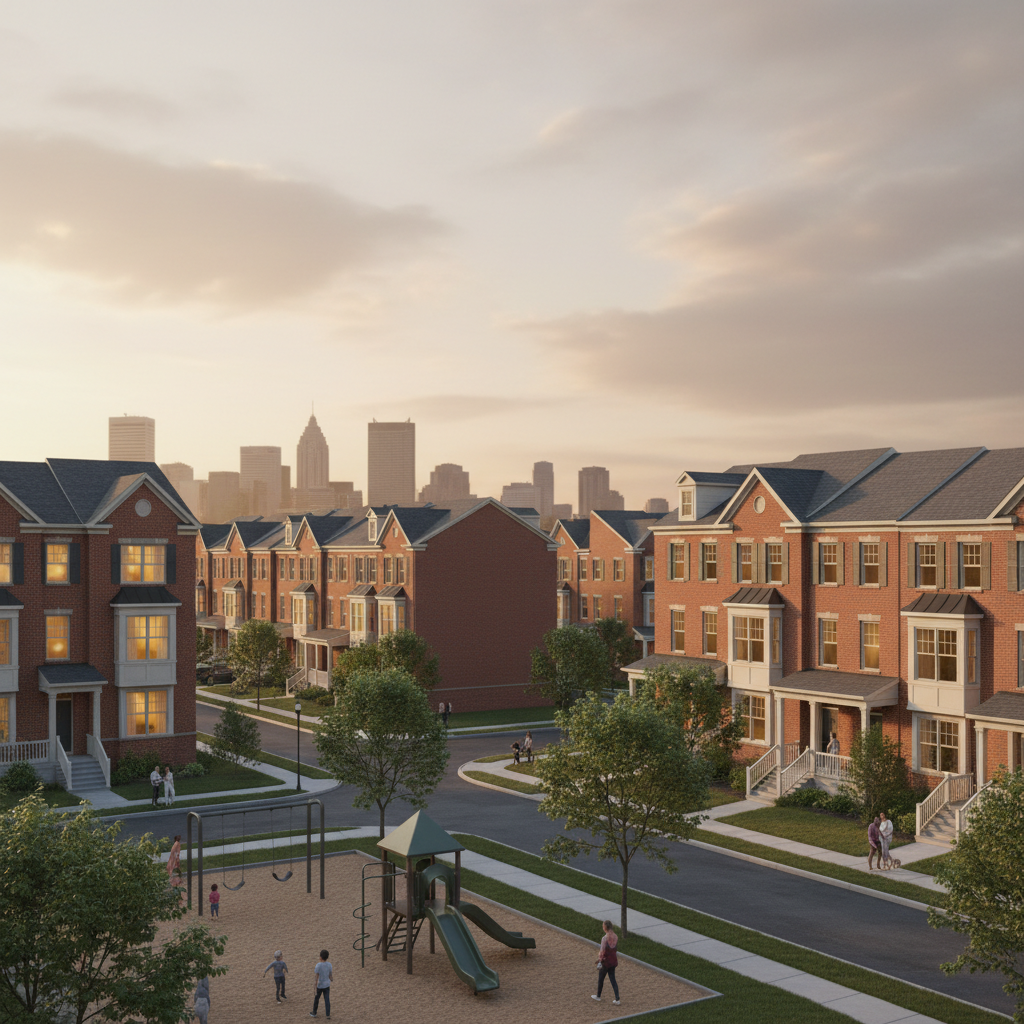
Types of Housing Developments in Baltimore
| Development Type | Description | Typical Goal | Who Benefits |
|---|---|---|---|
| New Construction | New homes built on vacant lots or redeveloped sites within existing neighborhoods. | Expand housing options while supporting long-term neighborhood stability. | First-time homebuyers, growing families, and residents ready to build equity. |
| Renovated Properties | Existing homes repaired and restored, often preserving historic features and block character. | Stabilize blocks, protect neighborhood identity, and strengthen community roots. | Buyers seeking long-term stability, legacy homeownership, and a strong sense of place. |
| Mixed-Income Projects | Homes offered at different price points, including affordable options within the same development. | Create inclusive communities where families of different incomes can grow together. | Residents across income levels looking for stability, opportunity, and connection. |
| Community-Led Initiatives | Projects shaped by neighborhood residents and local organizations, often supported by public or nonprofit funding. | Address local priorities and keep decision-making power rooted in the community. | Long-time residents, first-time buyers, and neighbors invested in their block’s future. |
Resources for Finding Local Housing Opportunities
| Resource Type | What They Offer | How to Access | Key Benefit for You |
|---|---|---|---|
| City Housing Agencies | Information on city-supported housing projects, grants, and homeownership programs available to you. | Baltimore Housing website and local community meetings. | Direct access to official programs designed to support Baltimore City residents. |
| Non-Profit Developers | Affordable housing opportunities, homebuyer education, and long-term community support. | Their websites, housing counseling agencies, and neighborhood community centers. | Guidance and affordable options rooted in the communities where you live. |
| Community Associations | Updates on neighborhood projects and ways for residents to share input and shape decisions. | Neighborhood meetings, block associations, and local newsletters. | Local insight and a real voice in what happens on your block. |
| Real Estate Listings | Market-rate homes and some affordable listings for sale or rent. | Online platforms (such as Zillow or Redfin) and trusted local realtors. | A broad view of available homes so you can explore options that fit your goals. |
Before You Start Looking for a Home
- Clarify what you need in a home and set a budget that fits your life and long-term plans.
- Learn about Baltimore neighborhoods that match your lifestyle, priorities, and what matters most to you over time.
- Connect with local community associations to hear directly from neighbors and community leaders.
- Check city housing department websites to stay up to date on current projects and opportunities.
Connecting With Neighborhoods and Resources
- Visit open houses and development sites in person to get a real feel for the home and the block.
- Talk with residents who already live in the neighborhood to learn what day-to-day life is really like.
- Review financing options and homebuyer assistance programs that may help lower upfront costs.
- Meet with a trusted local real estate agent or housing counselor to plan your next steps with clarity and confidence.
Table of Contents
Section 1: UNDERSTANDING "HOUSING DEVELOPMENTS NEAR ME" IN BALTIMORE
- What exactly are "housing developments near me" in Baltimore?
- How do housing developments benefit existing Baltimore communities?
- What's the difference between new construction and renovated properties?
Section 2: FINDING NEW HOMES AND OPPORTUNITIES
- Where can I find information about new housing projects in Baltimore?
- Are there affordable housing developments available for Baltimore residents?
- How can I get involved in planning for local housing developments?
- What resources are available for first-time homebuyers in Baltimore's new developments?
Section 3: COMMUNITY IMPACT AND RESIDENT INVOLVEMENT
- How do housing developments address concerns about displacement and gentrification?
- What role do community associations play in new housing projects?
- Can I provide input on housing developments happening in my neighborhood?
- How do mixed-income developments support community diversity?
Section 4: INVESTING IN YOUR FUTURE IN BALTIMORE
- How can buying into a new housing development help build family wealth?
- What are the long-term benefits of investing in a Baltimore home?
- Are there programs to help preserve legacy homeownership in developing areas?
- What steps should I take to prepare for purchasing a home in a new development?
Frequently Asked Questions
Section 1: Understanding "Housing Developments Near Me" in Baltimore
FAQ 1: What exactly are "housing developments near me" in Baltimore?
In Baltimore, “housing developments near you” refers to new homes, renovated properties, mixed-income projects, and community-led investments happening in the neighborhoods where you live. These projects focus on expanding housing choices, reinvesting in existing blocks, and supporting long-term neighborhood stability for residents. Developments can include single-family homes, small multi-unit buildings, or larger apartment communities, often with a mix of market-rate and affordable options. Many are planned with the surrounding community in mind—bringing investment and opportunity while honoring Baltimore’s history, long-time residents, and sense of place.FAQ 2: How do housing developments benefit existing Baltimore communities?
Housing developments can benefit existing Baltimore communities when you and your neighbors are kept at the center and growth is focused on strengthening, not replacing, the people who already call a neighborhood home. New construction and renovation projects can help protect home values, support long-term homeownership, and encourage reinvestment on your block. When homes are repaired or added, neighborhoods may also see improvements to streets, parks, and shared spaces that support everyday life. New residents can help sustain local businesses, while longtime residents benefit from a stronger local economy and renewed activity where they live. When done thoughtfully, these projects can build community pride, preserve legacy homeownership, and help families grow wealth that stays rooted in the neighborhood.FAQ 3: What's the difference between new construction and renovated properties?
New construction means homes built from the ground up, often on vacant lots or previously cleared sites, and they typically offer modern layouts, updated systems, and improved energy efficiency. Renovated properties are existing homes that have been repaired and restored, preserving their original structure and character while adding updates that support safe, healthy living today. For you as a buyer, new construction can offer a fresh start with fewer immediate repairs, while renovated homes often come with historic charm and a strong connection to an established block. In Baltimore, both play an important role—new builds help expand housing options, while renovations protect neighborhood character and support legacy homeownership. If you’re considering a renovated home or already own one, NHS of Baltimore offers home repair and rehab programs that can help you address critical repairs, improve safety, and protect the long-term value of your home.Section 2: Finding New Homes and Opportunities
FAQ 4: Where can I find information about new housing projects in Baltimore?
You can find information about new housing projects in Baltimore by starting with the Baltimore City Housing Department website, which shares updates on city-supported projects, programs, and timelines. Connecting with local community and neighborhood associations can also be helpful, since they often hear about developments early and host meetings where you can ask questions and share your input. Nonprofit housing organizations rooted in Baltimore neighborhoods can help explain how projects work and whether there are opportunities for homeownership, rehab support, or financial assistance. Trusted local real estate agents familiar with new and renovated homes can also point you toward current listings and upcoming developments. Attending community planning meetings or housing workshops is another way to stay informed and connected to what’s happening in your neighborhood.FAQ 5: Are there affordable housing developments available for Baltimore residents?
Yes, affordable housing options do exist in Baltimore, and finding the right one depends on factors like your income, household size, and the program you’re applying for. Affordable housing in the city takes many forms, including income-restricted rentals, homeownership and renovation programs, vouchers, and new or rehabilitated homes supported by city and state resources. You can start your search with trusted public tools and local partners. The state-run MdHousingSearch.org database lists affordable rental options across Maryland and is updated regularly. At the city level, Baltimore City’s Department of Housing & Community Development (DHCD) offers programs like the $1 House / Fixed Pricing Program, which allows buyers to purchase vacant city-owned homes at a low cost when they commit to renovating the property and staying invested in the neighborhood. Regional and state partners also help expand options. The Baltimore Metropolitan Council supports project-based voucher programs that connect residents to affordable units, while the Maryland Department of Housing and Community Development helps fund affordable housing developments statewide through tools like the Maryland Affordable Housing Trust. City-supported programs, including rapid re-housing initiatives, focus on helping residents move into stable, permanent housing as quickly as possible. Because affordable housing in Baltimore includes subsidized rentals, renovation-based homeownership, and community-driven development, finding the right fit often means checking more than one official source and staying engaged. Some neighborhoods within Baltimore City may offer more affordable opportunities depending on the program and timing.FAQ 6: How can I get involved in planning for local housing developments?
You can get involved in planning for local housing developments by showing up and sharing your voice early in the process. Neighborhood and community association meetings often review proposed projects and invite resident feedback, giving you a chance to ask questions and speak to what your block and neighbors need. City planning offices in Baltimore also hold public hearings and workshops where you can learn what’s being proposed and weigh in before decisions are finalized. If you want to stay more closely involved, joining a neighborhood advisory group or partnering with a local community organization can give you a consistent seat at the table. Your lived experience matters—resident voices help shape housing that supports long-time neighbors, protects community stability, and reflects shared priorities.FAQ 7: What resources are available for first-time homebuyers in Baltimore's new developments?
Baltimore offers clear, resident-centered resources to support first-time homebuyers who are considering new developments. These include down payment assistance programs and homebuyer education courses that help you prepare financially and make informed decisions early in the process. The Baltimore City Department of Housing and Community Development (DHCD) offers grants and low-interest or deferred loans that can lower upfront costs and support long-term, sustainable homeownership for city residents. Local nonprofit housing counseling agencies also play an important role by providing free or low-cost guidance on budgeting, understanding mortgages, and navigating each step of the homebuying process. In some cases, new developments partner with lenders or housing organizations to offer buyer incentives or financing options designed with first-time buyers in mind. Together, these resources are meant to put information, choice, and support in your hands so homeownership feels realistic and within reach.Not sure what mortgage options fit your situation?
NHS of Baltimore offers education, counseling, and local insight to help you understand your choices and take your next step with confidence.
Explore Mortgage Options
Section 3: Community Impact and Resident Involvement
FAQ 8: How do housing developments address concerns about displacement and gentrification?
Housing developments in Baltimore can address concerns about displacement and gentrification when residents are centered in the planning process, not just new investment. Many projects take steps such as including mixed-income housing, preserving affordable homes, and setting clear community benefits so you and your neighbors can stay and share in neighborhood growth. Some developments prioritize current residents through right-of-return options or pricing that supports local homeownership, helping families remain rooted even as investment comes in. City policies and community partners support early, ongoing conversations with residents, so concerns are heard and addressed before decisions are finalized. The focus is on growth that builds on what’s already here—protecting legacy homeownership, supporting stability, and creating opportunity without pushing people out.FAQ 9: What role do community associations play in new housing projects?
Community associations play a vital role in new housing projects by acting as a collective voice for residents, advocating for neighborhood interests, and facilitating communication between developers and the community. They review development proposals, provide feedback to city planners, and often negotiate with developers on behalf of their members. Their involvement helps ensure that new projects align with the community's vision, address local concerns, and contribute positively to the neighborhood's character. Strong community associations are essential partners in shaping thoughtful growth.FAQ 10: Can I provide input on housing developments happening in my neighborhood?
Yes, you can provide input on housing developments in your neighborhood, and your voice matters. Residents play a real role in shaping what happens on their block. You can attend public meetings hosted by your community association or Baltimore City planning offices, where development proposals are shared and resident feedback is invited early in the process. You can also submit written comments during public review periods, which become part of the public record and help guide decisions. Reaching out to your local councilperson’s office is another way to share concerns, ask questions, and make sure neighborhood priorities are clearly understood. When residents show up and speak up, projects are more likely to reflect real community needs, protect long-term neighbors, and support stability on the block.FAQ 11: How do mixed-income developments support community diversity?
Mixed-income developments support community diversity by creating housing options for people across different income levels within the same neighborhood. This approach helps limit economic separation and supports neighborhoods where longtime residents and new neighbors can live, invest, and grow side by side. By offering both market-rate and affordable homes, these developments help ensure that families can stay rooted even as neighborhoods change. For you and your neighbors, this kind of development can support more stable blocks, strengthen local schools, and sustain small businesses that reflect what the community actually needs. When people from different backgrounds share the same spaces, it builds stronger connections and helps neighborhoods remain balanced and resilient over time. The goal is inclusive growth—so communities remain places where people can stay, belong, and build lasting opportunities together.Section 4: Investing in Your Future in Baltimore
FAQ 12: How can buying into a new housing development help build family wealth?
Buying into a new housing development can help you build family wealth over time by turning monthly housing costs into long-term equity that you own. As you make mortgage payments and your home’s value grows, you build equity—an asset rooted in your household and your future. Homeownership can also bring more predictable housing costs, helping you plan ahead without the uncertainty of rising rents. For many Baltimore families, owning a home is about both stability and financial power. It can create a foundation that supports long-term security, the ability to reinvest in your household, and opportunities to pass on ownership and opportunity to the next generation. In some cases, homeowners may also benefit from tax advantages tied to mortgage interest or property taxes, which can support overall financial planning. Taken together, homeownership is a practical way to build wealth that lasts—grounded in your neighborhood and shaped by your goals.FAQ 13: What are the long-term benefits of investing in a Baltimore home?
Investing in a Baltimore home offers lasting benefits that support your financial stability and your connection to the community. Over time, owning your home allows you to build equity—wealth that belongs to you and your family. As your home’s value grows and your mortgage balance goes down, you’re building something you can keep, rely on, and pass on. Homeownership can also bring more predictable housing costs, giving you greater control compared to renting, where prices can change year to year. Beyond finances, owning a home helps you put down roots where you live. It can strengthen your sense of belonging, encourage involvement in local life, and support long-term stability for you, your family, and your neighbors. For many Baltimore residents, homeownership is about building a future rooted in place, power, and possibility.FAQ 14: Are there programs to help preserve legacy homeownership in developing areas?
Yes, Baltimore has programs designed to help you stay in your home and protect the equity you’ve built, especially in neighborhoods where change and rising property values can create pressure. These supports often include property tax credits, home repair grants, and legal assistance that help long-time residents maintain their homes and stay rooted as their neighborhoods evolve. The Baltimore City Department of Housing and Community Development (DHCD), along with community-based nonprofit housing organizations, offers resources focused on preserving legacy homeownership and supporting families who want to remain part of their neighborhood’s future. Programs like the Homestead Tax Credit and neighborhood stabilization funds are designed to lower ongoing costs, support needed repairs, and protect ownership as communities grow. These efforts are about making sure new investment builds on what’s already here—so residents who have shaped their blocks can continue to live, invest, and build wealth that lasts.FAQ 15: What steps should I take to prepare for purchasing a home in a new development?
Preparing to buy a home in a new development starts with getting clear about your finances and your goals so you can move forward with confidence. Begin by looking closely at your credit, income, and savings to understand what fits your budget and long-term plans, including down payment and closing costs. Getting pre-approved for a mortgage early helps you know what you can afford and signals to builders and sellers that you’re prepared and ready to move forward. Take time to explore specific developments, builders, and neighborhoods so you can choose options that align with your needs, values, and vision for homeownership. Working with a real estate agent who understands new construction can help you navigate contracts, timelines, and key decisions, while making sure your interests are represented. It’s also important to plan for the full timeline—new builds can take longer than buying an existing home, so being prepared helps reduce stress and surprises. If you want guidance as you prepare, NHS of Baltimore offers homebuyer education to help you understand financing, budgeting, and the steps to homeownership—so you can make informed decisions before you buy.Finding the right home starts with having the right information and support.
Whether you’re exploring new developments, considering a renovated property, or just beginning to think about homeownership, NHS of Baltimore is here to help you understand your options and plan your next steps with clarity and confidence.
Become a Homeowner