
Discover how to finance your dream home's repairs and upgrades with a single, simple loan.
Quick Summary / Key Takeaways
- A rehab home loan lets you buy or refinance a home and include the cost of necessary repairs and improvements in a single mortgage, rather than managing separate loans or paying out of pocket.
- For Baltimore City residents, this approach can support safer, healthier homes while helping you build equity and invest in long-term neighborhood stability, without displacement.
- Loan options such as FHA 203(k) and Fannie Mae HomeStyle allow you to finance a wide range of repairs, from critical safety work to longer-term improvements, within one structured loan.
- For buyers looking at homes that need work, rehab loans can make those properties more realistic to purchase and restore, turning under-maintained housing into stable, long-term homeownership.
- Understanding how rehab loans work and how they differ from other repair or financing options can help you decide whether this approach fits your goals, timeline, and plans for homeownership in Baltimore City.
You don’t have to figure this out alone.
If you’re exploring homeownership, rehab options, or ways to invest in a home you can grow into, NHS of Baltimore is here to help you make sense of the process. From homebuyer education to guidance on financing and assistance programs, we support clear, informed decisions rooted in your goals and your community.

Introduction
Many Baltimore City homeowners and future buyers are looking for homes that fit their lives, even when that home needs work to get there.You may be looking at an older home with solid structure but outdated systems, or you may already own a home that needs essential repairs to stay safe, healthy, and comfortable. In these situations, a rehab home loan can be a helpful option.
A rehab home loan allows you to buy or refinance a home and include the cost of repairs and improvements within one mortgage. Instead of managing separate financing, you can plan repairs upfront and move forward with clearer expectations around costs, timing, and next steps. This approach supports long-term stability, rather than relying on short-term or patchwork fixes.
For you and your family, rehab loans are about more than construction; they’re about protecting and building equity and creating a home that supports your future. By investing in needed repairs, you help preserve your home’s value while contributing to stable, connected neighborhoods across Baltimore City. For first-time homebuyers, rehab loans can also open doors to homes that might otherwise feel out of reach, making fixer-uppers a more realistic path to ownership.
We believe homeownership is a source of power and possibility. A rehab home loan can help you turn potential into a safe, stable place to live, without the added burden of multiple loans or unclear financing. As we explore how rehab loans work, you’ll see how they can support your goals, strengthen your investment, and help preserve the homes and communities that make Baltimore strong.
Rehab Mortgage Loan Options (Purchase or Refinance + Repairs)
These options allow you to combine the home purchase or refinance and approved renovations into a single mortgage, helping you plan repairs and financing together from the start.
| Loan Type | Best For | Eligible Repairs | Key Benefit |
|---|---|---|---|
| FHA 203(k) Standard | Homes needing major repairs | Structural work like foundation repairs or room additions | Combines home purchase or refinance with approved repairs into one mortgage, depending on lender guidelines |
| FHA 203(k) Limited | Smaller projects and early fixes | Non-structural repairs such as roof replacement or kitchen updates | Simplified option for lower-cost repairs within program limits |
| Fannie Mae HomeStyle | Homes with broader improvement plans | Any permanent improvement, including higher-end upgrades | Flexible renovation scope under a single mortgage structure |
| VA Renovation Loan | Eligible veterans and service members | Accessibility improvements or energy-efficient upgrades | Allows renovation costs to be included with VA home loan financing, subject to lender guidelines |
Repair Loans for Current Baltimore City Homeowners
These options are designed for homeowners who already own their home and are looking for financing to address repairs or improvements without refinancing their mortgage.
| Loan Type | Best For | Eligible Repairs | Key Benefit |
|---|---|---|---|
| NHS Rapid Rehab Home Improvement Loan | Smaller repair projects | Repairs and energy-efficient upgrades up to $20,000 | Supports timely repairs for existing homeowners |
| NHS Rehab Home Improvement Loan | Larger repair and improvement projects | Major repairs such as roofing, heating, plumbing, or electrical work up to $30,000 | Supports more extensive rehabilitation needs for Baltimore City homeowners |
Eligibility requirements apply to NHS of Baltimore home improvement loan programs only. View full eligibility details here:[Eligibility Page]
Benefits of a Rehab Home Loan
| Benefit | How It Helps You | Community Impact | Who It's For |
|---|---|---|---|
| One Loan, One Plan | Lets you finance repairs and improvements in a single, clear loan, so you’re not juggling multiple payments or timelines | Helps keep existing homes occupied, maintained, and rooted in the neighborhood | Homeowners who want a simpler, more manageable repair process |
| Build Equity Over Time | Improves your home’s condition and value, helping you build equity through ownership | Supports long-term neighborhood stability and resident-led investment | Buyers and existing homeowners planning for long-term ownership |
| Improved Affordability | Makes homes that need work more realistic to buy or repair without heavy upfront costs | Reactivates vacant or aging housing and strengthens local blocks | First-time buyers and homeowners addressing essential repairs |
| Repair With Purpose | Allows you to update your home to fit your life, safety needs, and future goals | Helps prevent displacement by supporting reinvestment from current residents | Anyone ready to invest in a home they can grow into |
Before You Apply: Getting Ready for a Rehab Home Loan
- Learn about rehab home loan options available to Baltimore City residents, so you can choose a path that fits your goals, budget, and timeline.
- Get pre-approved for a rehab loan to better understand what you can afford and plan next steps with confidence.
- Identify a home that can support renovation and aligns with your plans for long-term living and neighborhood stability.
- Work with a qualified, licensed contractor to prepare clear, detailed repair estimates required as part of the loan process.
After Approval: Bringing Your Rehab Project to Life
- Stay involved during renovation work so repairs stay aligned with approved plans and program requirements.
- Complete all required inspections and permits to ensure the work is safe, compliant, and fully documented.
- Move into a renovated home that is safer, stronger, and better suited to your everyday needs.
- Continue building equity while investing in your home and the Baltimore City community you’re part of.
How Renovation Funds Are Released
Once your rehab loan is approved, the repair funds don’t come to you all at once. Instead, they’re released through a clear, step-by-step process that helps protect your home, your investment, and the work being done:
- Plans and contractor estimates are approved: You start with a clear, agreed-upon scope of work and detailed contractor estimates that outline which repairs will be completed and when.
- Funds are held safely in escrow: The money set aside for repairs is placed in a separate escrow account, ensuring it’s available as work moves forward and used only for approved improvements.
- Funds are released in stages after inspections: As repairs are completed, inspections confirm the work meets requirements. Funds are then released in phases to pay for completed portions of the project.
This structured process helps ensure repairs are done safely and as planned, timelines stay clear and predictable, and your home moves steadily from renovation to a safe, livable space you can rely on.
Ready to Take the Next Step?
Whether you’re buying a home that needs work or improving the one you already own, we can help you explore rehab and repair financing options that support safe homes, protected equity, and long-term stability for you and your Baltimore City community.
Choose the path that fits where you are right now:
[Buying a fixer-upper? Become a Homeowner]
[Already own your home? Explore NHS Rehab Programs]
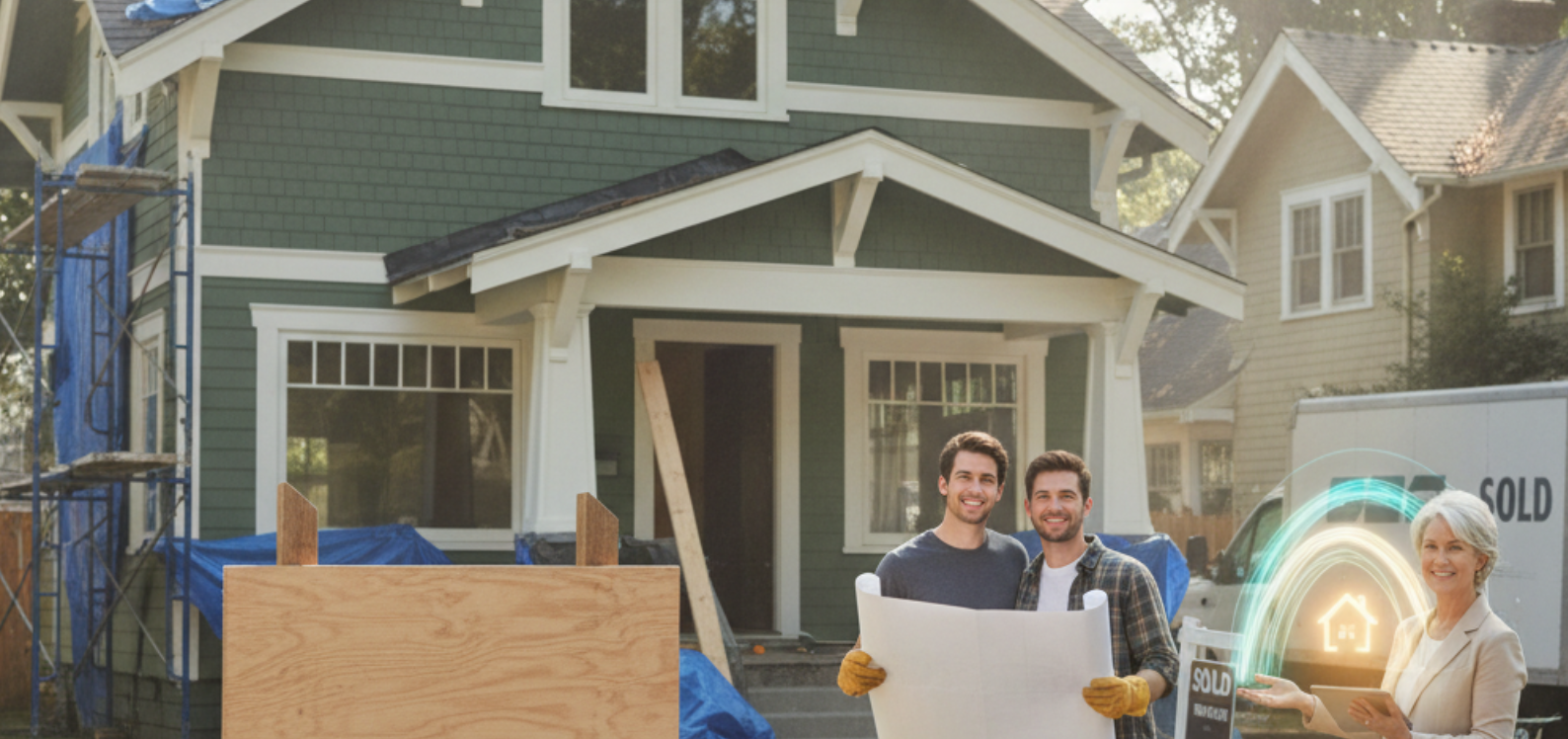
Table of Contents
Section 1: UNDERSTANDING REHAB HOME LOANS
- What exactly is a rehab home loan?
- How does a rehab home loan differ from a traditional mortgage?
- How do rehab loan programs generally work?
- When is a rehab home loan a good fit for my situation?
- What kinds of repairs and improvements can a rehab home loan cover?
- Can a first-time home buyer get a rehab loan?
Section 2: TYPES AND BENEFITS OF REHAB HOME LOANS IN BALTIMORE CITY
- What are the most common types of rehab home loans in Baltimore?
- What is an FHA 203(k) loan and how does it work?
- What is a Fannie Mae HomeStyle loan?
- What are the NHS of Baltimore’s home improvement loans?
- How do rehab loans help build home equity?
Section 3: THE REHAB HOME LOAN APPLICATION PROCESS
- What steps are involved in applying for a rehab home loan?
- Do I need a contractor before applying for a rehab home loan?
- What credit score do I need for a rehab home loan?
- How does the renovation funding protect me as a homebuyer?
- What happens if the renovation costs more than expected?
Frequently Asked Questions
Section 1: UNDERSTANDING REHAB HOME LOANS
FAQ 1: What exactly is a rehab home loan?
A rehab home loan lets you buy or refinance a home and include the cost of needed repairs and improvements in one single mortgage, all rolled together. Instead of juggling separate loans or paying for repairs upfront, you make one monthly payment that covers both the home and the approved work.
For you as a Baltimore City homeowner or future buyer, this can make planning and budgeting clearer and more predictable. By spreading repair costs over the life of the loan, rehab loans support safer, healthier homes while helping you build equity over time. They’re often used for homes with strong potential that need updates to better support long-term living and neighborhood stability.
FAQ 2: How does a rehab home loan differ from a traditional mortgage?
A rehab home loan allows you to finance both the purchase or refinance of a home and the cost of needed repairs together in one loan. A traditional mortgage, by contrast, only covers the home’s purchase price, meaning you may need separate financing for repairs, which can add more steps, added cost, and complexity.
Another important difference is how the loan amount is determined. Many rehab mortgage programs use an appraisal based on the home’s projected value after approved repairs are completed, rather than only its current condition. This approach can make homes that need work more accessible and help you begin building equity as improvements are made.
For Baltimore City homeowners and buyers, this structure can make it easier to plan repairs upfront, avoid relying on high-cost debt, and move forward with clearer expectations about cost and timing. It supports safer homes, more predictable budgeting, and long-term stability rooted in your neighborhood and community.
FAQ 3: How do rehab loan programs generally work?
Rehab loan programs are designed to help you address needed repairs by combining home financing and renovation costs into one coordinated process. In many cases, the loan is structured to cover both the home and approved improvements, allowing repairs to be planned and completed together rather than through separate loans or out-of-pocket costs.
Most rehab mortgage programs follow a similar framework. You start with a clear scope of work and contractor estimates, which are reviewed as part of the loan process. Funds for repairs are typically held in escrow and released in stages as work is completed and inspected. This helps ensure repairs are done safely, according to plan, and in compliance with local requirements.
Rehab loans are often used for homes that need updates to better support long-term living, such as fixing major systems, improving safety, or modernizing older properties. While program rules vary, most emphasize clear planning upfront, using licensed contractors, and completing work within a defined timeline so the home can move from renovation to safe, stable occupancy.
FAQ 4: When is a rehab home loan a good fit for my situation?
A rehab home loan can be a strong, practical option if you’re buying or owning a Baltimore City home that needs repairs and you want a clear, structured way to finance improvements while building long-term stability and equity through homeownership.
A rehab home loan may be a good fit if:
The home needs repairs or updates you can’t comfortably pay for upfront.
You’re open to a guided renovation process with approved plans, timelines, and required oversight.
You want to combine repair costs and home financing into one clear loan and payment, instead of managing multiple forms of credit.
A rehab home loan may not be the best fit if:
You need to move in immediately without time for repairs, inspections, or required approvals.
You plan to complete most of the work yourself (many programs require licensed contractors and documented oversight).
The property’s condition is too severe to meet basic safety standards or program eligibility requirements.
Understanding whether a rehab loan fits your situation early helps you focus on options that support stable, sustainable homeownership, while protecting your time, budget, and long-term goals as a Baltimore City resident.
FAQ 5: What kinds of repairs and improvements can a rehab home loan cover?
A rehab home loan can cover a wide range of repairs and improvements that help you create a safer, more comfortable, and more sustainable home. This includes essential structural work such as foundation repairs, roof replacement, plumbing updates, and electrical system improvements, the kinds of fixes that help protect both your home and the equity you’re building over time.
Rehab loans can also support updates that improve how your home works for you day to day, including kitchen and bathroom renovations, flooring upgrades, energy-efficient windows, accessibility improvements, or added living space where permitted. The goal is to make sure your home is safe, functional, and better aligned with your life, today and for the long term.
By addressing both critical repairs and thoughtful improvements, rehab loans help you strengthen your home, build and protect equity, and remain rooted in your Baltimore City community.
FAQ 6: Can a first-time home buyer get a rehab loan?
Yes, first-time homebuyers can use rehab loans, and for many Baltimore City residents, these loans offer a practical way to purchase a home that needs work and plan repairs as part of the buying process. National rehab mortgage options, such as FHA 203(k) loans, are commonly used by first-time buyers because they allow you to finance the home purchase and approved renovations together under one mortgage structure.
This approach can help you consider homes with strong potential that may not be move-in ready yet. Instead of limiting your search to fully renovated properties, a rehab loan lets you plan improvements upfront and move toward ownership with clearer expectations around scope, costs, and how you’ll use the home over time. For many buyers, this supports a more realistic path to building equity while shaping a home that fits your life today and your plans for the future.
For current Baltimore City homeowners or buyers exploring local repair financing options, NHS of Baltimore offers home improvement loan programs, including the Rehab Home Improvement Loan, to help support needed repairs and long-term reinvestment in your home. These options are designed to help residents fix up the homes they already own or plan to buy, protect the equity they’re building, and remain rooted in their neighborhoods.
Connecting with the NHS of Baltimore can help you understand how local repair loans work, what options may fit your situation, and what steps come next, without pressure or guesswork.
Section 2: TYPES AND BENEFITS OF REHAB HOME LOANS IN BALTIMORE CITY
FAQ 7: What are the most common types of rehab home loans in Baltimore?
The most common rehab home loan options available to Baltimore City residents include national rehab mortgage programs and local repair loan options offered through NHS of Baltimore. Each is designed to help you repair, improve, or reinvest in a home while supporting long-term stability, equity, and resident-led neighborhood strength.
At the national level, FHA 203(k) and Fannie Mae HomeStyle loans are widely used rehab mortgage options. FHA 203(k) loans are available in two formats: a Standard option for major or structural repairs, and a Limited option for smaller, non-structural improvements. Because these loans allow approved repair costs to be included directly in the mortgage, they’re often used when repairs need to be planned upfront as part of buying or refinancing a home.
The Fannie Mae HomeStyle Renovation loan is another rehab mortgage option that supports a broad range of permanent improvements, as long as the work contributes to the home’s long-term use and value. Like other national rehab mortgage programs, it follows specific guidelines around eligible repairs and renovation oversight.
In addition to national programs, the NHS of Baltimore offers local home improvement loan options created specifically for Baltimore City homeowners. These include the Rapid Rehab Home Improvement Loan for smaller, time-sensitive repair needs and the Regular Rehab Home Improvement Loan for larger or more complex projects. These options focus on helping you address real repair needs, protect the equity you’re building, and reinvest in the home you already live in.
Understanding how these loan options differ can help you choose a path that fits your home, your budget, and your long-term goals as a Baltimore City resident.
FAQ 8: What is an FHA 203(k) loan and how does it work?
An FHA 203(k) loan is a government-insured mortgage that allows you to buy or refinance a home and include the cost of needed repairs and improvements in one clear, coordinated loan. For you as a Baltimore City resident, this can make it easier to invest in an older home and plan repairs upfront without juggling multiple loans or turning to high-cost debt.
The FHA 203(k) program was created to support the rehabilitation of existing homes and expand access to stable, long-term homeownership. It’s commonly used by first-time buyers and current homeowners because it allows for lower down payments, sometimes as low as 3.5%, and more flexible credit guidelines than many conventional loans.
The loan amount is based on the home’s value after approved repairs are completed, which helps account for the home’s full potential once improvements are finished. In many cases, a HUD-approved consultant supports the renovation process to help keep repairs organized, on track, and aligned with program requirements.
FAQ 9: What is a Fannie Mae HomeStyle loan?
A Fannie Mae HomeStyle Renovation loan is a conventional mortgage that allows you to finance home improvements, repairs, or renovations as part of a home purchase or refinance, using the home’s projected value after approved work is completed to help determine the loan amount. This approach allows you to plan repairs upfront through one coordinated loan, rather than piecing together separate financing later.
Compared to other rehab mortgage options, HomeStyle loans can offer broader flexibility in the types of homes and permanent improvements that may be included. This may cover long-term upgrades such as landscaping, accessibility improvements, or other renovations that support how the home functions over time, as long as the work aligns with program guidelines. As a conventional renovation mortgage, the HomeStyle loan follows specific rules around property conditions, repair scope, and renovation oversight.
For Baltimore City residents, a HomeStyle loan can be one option to consider when you want to invest in a home that needs improvements and take a more planned approach to repairs, while continuing to build equity and support long-term stability for yourself and your neighborhood through ownership.
FAQ 10: What are the NHS of Baltimore’s home improvement loans?
NHS of Baltimore’s home improvement loans are local financing options designed to help you repair, improve, and protect the home you already live in. These loans focus on essential repairs, safety, and long-term stability, so you can invest in your home with clearer costs and fewer moving parts, without relying on high-cost credit or juggling multiple loans.
NHS of Baltimore offers home improvement loan programs for Baltimore City homeowners, including a Rapid Home Improvement Loan of up to $20,000 and a Rehab Home Improvement Loan of up to $30,000, designed to support a range of repair and rehabilitation needs. The Rapid Home Improvement Loan is intended for smaller or time-sensitive repairs, while the Rehab Home Improvement Loan supports larger or more involved projects. Both options begin with an online application, making it easier for you to share details about your home, the repairs you’re considering, and your goals so we can help guide clear next steps.
These programs are built specifically for Baltimore City homeowners and are paired with local, hands-on guidance that helps you understand your options, plan repairs, and move forward with confidence.
Program terms, requirements, and eligibility vary by program and individual situation. For the most current details, including eligibility guidelines and application information, you can visit the Fix Up Your Home page and review the Eligibility section:
[Fix Up Your Home Page Link] [Eligibility Page Link]
FAQ 11: How do rehab loans help build home equity?
Rehab loans help build home equity by supporting repairs and improvements that strengthen your home’s condition, safety, and long-term value as you build ownership in Baltimore City.When you use a rehab loan to address essential upgrades, such as structural repairs, updated kitchens or bathrooms, or major system improvements, those investments can add lasting value to your home over time.
Because rehab loans often consider the home’s after-repair value, they allow you to plan improvements upfront and reinvest in your home with clarity and purpose. As repairs are completed, you’re improving the quality and durability of your home while building equity through steady reinvestment rather than short-term speculation. This approach helps protect the value you’ve built and supports stability for you, your household, and the broader community.
Rather than focusing on quick gains, rehab loans help you grow equity in a steady, practical way by making improvements that keep your home safe, livable, and built to last.
Your home has potential worth protecting.
If you’re planning repairs, addressing safety issues, or investing in long-term improvements, NHS of Baltimore can help you understand your options and take the next step with clarity. From local rehab loans to guided support, we’re here to help you strengthen your home and your future—right where you live.
Section 3: THE REHAB HOME LOAN APPLICATION PROCESS
FAQ 12: What steps are involved in applying for a rehab home loan?
Applying for a rehab home loan follows a clear, step-by-step process designed to help you plan repairs and move forward with confidence. It usually starts with connecting with a lender or trusted local partner who understands rehab loans, so you can see which options align with your goals as a Baltimore City homeowner or buyer.
Next, you’ll seek pre-approval to get a clearer picture of your budget early and plan with fewer surprises along the way. Once you identify a home that can support renovation, you’ll work with a Maryland-licensed contractor to create clear, detailed repair estimates that outline the scope of work, expected costs, and timeline.
The lender then reviews your application, contractor bids, and the home’s projected value after approved repairs to confirm the loan structure and amount. After approval and closing, you can move forward with repairs knowing your financing, plans, and next steps are clearly aligned.
FAQ 13: Do I need a contractor before applying for a rehab home loan?
In most cases, yes, you’ll need to work with a qualified, Maryland-licensed contractor who understands Baltimore City homes and has clear repair estimates in place before your rehab home loan can be fully approved. These estimates clearly outline the work your home needs and the expected costs, so your loan can be structured accurately from the beginning.
Lenders review contractor bids to confirm the total loan amount, including both the home and the approved repairs. This step helps ensure the work supports safety, long-term livability, and lasting value for your home, and aligns with what the property is expected to be worth after repairs are completed. Having this information early helps avoid delays, keeps expectations clear, and allows you to move from application to repairs with confidence.
FAQ 14: What credit score do I need for a rehab home loan?
Credit considerations for rehab home loans can vary by loan type and lender, but many Baltimore City residents have access to options that are more flexible than traditional mortgages. Instead of focusing only on a single number, rehab loan programs often look at your overall financial picture and whether the loan supports safe, long-term homeownership.
For national rehab mortgage options, such as FHA 203(k) or Fannie Mae HomeStyle loans, credit expectations depend on program rules and lender guidelines. These loans are commonly used when repairs need to be planned upfront as part of a purchase or refinance, and they may offer more flexibility than some standard mortgage products.
For current Baltimore City homeowners, NHS of Baltimore offers local home improvement loan programs focused on supporting essential repairs and long-term stability. Credit considerations are reviewed as part of a broader, resident-centered assessment that looks at your income, repair plans, and readiness to reinvest in your home over time, rather than requiring a “perfect” credit profile.
When applications are reviewed, lenders and trusted local partners typically consider multiple factors together, including income stability, existing debt, and payment history. This more complete view helps ensure the loan supports long-term success for you, your home, and your neighborhood.
FAQ 15: How does the renovation funding protect me as a homebuyer?
When you use a rehab home loan, renovation funds are released in stages as work is completed, not all at once. For you as a homebuyer, this structure is designed to protect your investment and reduce risk from the very beginning.
Instead of paying for repairs upfront or relying on promises that work will be finished later, funds are released only after each phase is completed and reviewed. This helps ensure repairs follow the approved plan, keeps projects moving forward, and lowers the risk of unfinished or poor-quality work. It also gives you clearer visibility into the renovation process, with fewer surprises along the way.
For many first-time buyers, this built-in process offers real peace of mind. You’re not navigating renovations on your own or carrying unnecessary financial risk; there are safeguards in place to help keep your future home safe, livable, and on track as repairs move forward.
FAQ 16: What happens if the renovation costs more than expected?
If renovation costs come in higher than expected, rehab home loans are designed with safeguards to help you stay on track. Most rehab loans include a contingency reserve built into the repair budget, set aside to help cover unexpected issues that can surface once work begins, such as hidden damage or required safety repairs.
If costs go beyond that reserve, you still have options. You may be able to adjust non-essential upgrades, revisit the scope of work with your contractor, or work through next steps with your lender or local partner based on the loan structure and your situation. What matters most is addressing changes early, so decisions stay clear, realistic, and grounded in your long-term plans for the home.
For many Baltimore City homebuyers, especially those purchasing older homes, this structure helps reduce uncertainty and financial strain. You’re not expected to predict every issue upfront, and you’re supported by a defined process that helps protect your investment while keeping repairs moving forward responsibly.
Homeownership starts with a clear first step.
If you’re thinking about buying your first home or planning for homeownership in Baltimore City, NHS of Baltimore can help you understand your options and map out a path that fits your goals. From education and guidance to local programs designed to support long-term stability, we’re here to help you move forward with confidence.