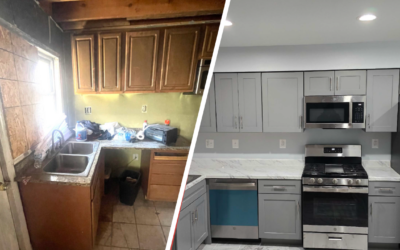
For more than three decades, Carol J. has been a proud Baltimore homeowner. For 31 years, her home represented stability, independence, and the memories built over a lifetime. But after a devastating house fire left the property uninhabitable, that sense of security...
June is National Homeownership Month! A time to celebrate the value of homeownership and the opportunities it creates for families, neighborhoods, and communities. Originally established to raise awareness around the benefits of owning a home, National Homeownership Month highlights the importance of making homeownership more accessible and sustainable for everyone.
At Neighborhood Housing Services (NHS) of Baltimore, we believe homeownership is about more than owning property, it’s about stability, generational wealth, community pride, and creating a foundation for the future.
Whether you’re dreaming of buying your first home, improving the one you already own, or building financial confidence, NHS Baltimore is here to help you take the next step.
Your Path to Homeownership Starts with NHS Baltimore
Buying a home can feel overwhelming but you don’t have to navigate it alone. NHS Baltimore offers programs and services designed to guide you through every step of the process.
Homebuyer Education Workshops
Our HUD-approved Homebuyer Education Workshops help future homeowners understand the homebuying process, mortgage options, budgeting, credit, and available assistance programs.
Financial Coaching
Need help preparing financially before purchasing a home?
NHS provides personalized coaching to help you:
- Improve your financial readiness
- Understand your borrowing options
- Build a plan toward sustainable homeownership
1-on-1 Homeownership Counseling
After completing a HUD-certified Homebuyer Education Workshop, you can meet with an NHS Homeownership Advisor for personalized guidance from pre-approval to closing.
Your advisor will review your credit, savings, and financial readiness, then help you create a homeownership action plan. They can also connect you with preferred lenders, realtors, mortgage options, and Baltimore City down payment assistance programs.
NHS Mortgage & Down Payment Assistance
From affordable mortgage options to programs that help with upfront costs, NHS helps make homeownership more attainable.
Programs may include:
- Down payment assistance opportunities
- Affordable mortgage products
- Support for first-time and repeat homebuyers
Already a Homeowner? We Can Help You Stay One.
National Homeownership Month is also about preserving homeownership. NHS offers home repair programs designed to help Baltimore homeowners maintain safe, stable housing through repairs and improvements.
Whether you need essential repairs or larger rehabilitation support, we’re here to help protect the investment you’ve worked hard to build.
Real Stories. Real Impact.
Behind every home is a story and at NHS Baltimore, we’re proud to help residents turn challenges into new beginnings.
A New Beginning: The Allen Family’s Journey Back Home
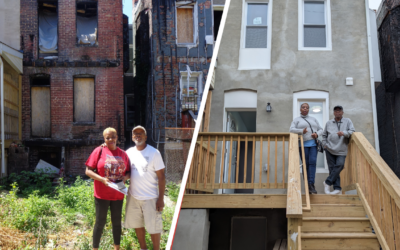
In June 2023, Arthur and Adriane Allen experienced a devastating house fire that severely damaged the Baltimore home they had owned for decades. Without homeowners insurance and with their savings exhausted, the road to recovery initially seemed uncertain. Today,...
From Renter to Homebuyer: A New Beginning Built on Determination and Support
In late 2024, Sombo H., a long-time Baltimore renter, reached a life-changing milestone: after years of uncertainty and rising rental costs, she became a first-time homeowner. Her story mirrors the journey of so many families across the city — hopeful, determined, and...
Why Homeownership Matters
Homeownership can create long-term benefits for families and communities, from housing stability to financial growth and stronger neighborhoods. National Homeownership Month reminds us that while the journey may look different for everyone, no one has to take it alone.
At NHS Baltimore, we’re committed to helping Baltimore residents move from possibility to ownership and stay there.
Ready to Take the Next Step?
Whether you’re preparing to buy your first home or looking for support maintaining your current one, NHS Baltimore is here to help.
Frequently Asked Questions (FAQs)
What is National Homeownership Month?
National Homeownership Month is observed every June to celebrate the benefits of homeownership and raise awareness about programs and resources that help individuals and families achieve and sustain homeownership.
How can I become a homeowner in Baltimore?
The first step toward homeownership is understanding your options and preparing financially. NHS Baltimore offers Homebuyer Education Workshops, one-on-one housing counseling, financial coaching, and mortgage support to help guide you through the process.
Do I have to be a first-time homebuyer to work with NHS Baltimore?
No. Some NHS programs and services are available to both first-time and repeat homebuyers. Eligibility may vary depending on the program.
What is a Homebuyer Education Workshop?
A Homebuyer Education Workshop is a HUD-approved course that helps future homeowners understand the homebuying process, mortgage options, budgeting, credit, closing costs, and available homeownership assistance programs.
Does NHS Baltimore offer down payment assistance?
NHS Baltimore works with programs that may provide down payment assistance for eligible homebuyers, helping reduce upfront costs associated with purchasing a home.
Can NHS Baltimore help me if I’m not financially ready to buy a home?
Yes. NHS offers financial coaching and one-on-one counseling to help you improve your financial readiness, build savings, understand credit, and create a plan for future homeownership.
What credit score do I need to buy a home?
Credit requirements vary depending on the loan product and financial situation. NHS counselors can help you understand your options and determine the best path toward homeownership.
I already own a home. Can NHS still help me?
Yes. NHS Baltimore offers home repair and preservation programs designed to help homeowners maintain safe, stable housing through repairs and rehabilitation assistance.
What types of home repairs does NHS Baltimore help with?
Depending on program eligibility, NHS may help with critical repairs, health and safety improvements, accessibility modifications, and larger rehabilitation projects.
How do I get started with NHS Baltimore?
Getting started is simple. You can sign up for a Homebuyer Education Workshop, schedule 1-on-1 counseling session, or explore available home repair programs through NHS Baltimore.
About NHS Baltimore
Neighborhood Housing Services of Baltimore (NHS Baltimore) is a community-based nonprofit with more than 50 years of experience supporting sustainable homeownership and housing stability for Baltimore City residents. Through HUD-certified homebuyer education, one-on-one counseling, locally tailored lending, and neighborhood reinvestment, NHS Baltimore provides trusted guidance rooted in real-world housing practice.
Quick Summary / Key Takeaways
- Lenders look at your debt-to-income ratio to understand whether the monthly mortgage payment may fit your budget.
- A back-end ratio of 43% or lower is often an important benchmark for many conventional loans, though lender guidelines can vary.
- You may be able to improve your debt-to-income ratio by paying off smaller debts before you apply.
- FHA loans often may offer more flexibility for borrowers with higher ratios or lower credit scores.
- Keeping your ratio lower may help expand your loan options and help you prepare more effectively for the mortgage process.
Get Clear on What You Can Afford
Understanding your debt-to-income ratio can help you plan your budget and take the next step toward homeownership with fewer surprises. NHS of Baltimore offers HUD-certified homebuyer education and counseling to help you understand your options and prepare for the mortgage process.
[Start Your Homebuyer Journey]
Introduction
Thinking about buying a home in Baltimore can feel like a whirlwind of paperwork and numbers. One of the most significant figures you will encounter is your debt-to-income ratio for mortgage approval. It sounds technical, but it is just a way for lenders to see if you can comfortably afford your new monthly payment alongside your existing bills.
Understanding this number early can help you plan your budget, ask better questions, and prepare more effectively for the mortgage process. Lenders use this ratio to measure how your current debt compares to your income and help estimate how much house you can actually afford. By comparing your monthly debt payments to your gross monthly income, they can get a better sense of your ability to manage a mortgage.
Whether you are looking at a rowhouse in Canton or a home in another Baltimore City neighborhood, knowing your mortgage debt-to-income ratio is the first step toward making informed decisions about buying a home in Baltimore City. NHS of Baltimore also provides HUD-certified homebuyer education and counseling to help you understand these requirements and prepare for the next step.
Typical Mortgage Loan Guidelines Baltimore City Homebuyers May Come Across
| Loan Program | DTI Guidance | Credit Score | Down Payment Guidance |
|---|---|---|---|
| Conventional | Guidelines vary by lender and loan file | Often depends on lender review and the full application | May start at a lower percentage for some eligible borrowers |
| FHA Loan | May allow more flexibility than some conventional loans, depending on the full loan file | May be more flexible for some borrowers, depending on lender review | Often allows a lower down payment than some other loan types |
| VA Loan | Guidelines vary by lender and borrower eligibility | VA eligibility and lender review both matter | May allow little to no down payment for eligible borrowers |
| USDA Loan | Guidelines vary and property location rules apply | Lender review and program rules both matter | May allow little to no down payment for eligible properties and eligible borrowers |
Example of How You Might Estimate Your Monthly Debt-to-Income Ratio in Baltimore City
Here is a simple example of how lenders may look at your monthly debt compared with your gross monthly income. This can help you see how car payments, credit cards, and a future mortgage payment may work together when a lender reviews your application.
| Debt Category | Monthly Payment | Gross Monthly Income | Estimated DTI % |
|---|---|---|---|
| Car and Student Loans | $600 | $6,000 | 10% |
| Credit Card Minimums | $200 | $6,000 | 3.3% |
| New House Payment | $1,800 | $6,000 | 30% |
| Total Monthly Debt | $2,600 | $6,000 | 43.3% |
In this example, the total debt-to-income ratio is 43.3%. That gives you a clearer picture of how quickly monthly debt can add up when you are preparing to buy a home.
How to Prepare for a Debt-to-Income Review Before You Apply for a Mortgage in Baltimore City
- Gather your recent pay stubs and tax returns so a lender can review your income.
- List your recurring monthly debt payments, including car loans, student loans, and credit card minimums.
- Estimate your current debt-to-income ratio, so you have a clearer sense of where you stand before you apply.
- Check your credit report for errors that could affect the debts shown on your application.
What to Watch After Your Mortgage Application Is Submitted
- Avoid opening new credit card accounts before your loan closes.
- Keep your existing credit card balances as low as possible each month.
- Set aside extra savings when you can, so you are better prepared for upfront costs and lender review.
- Tell your loan officer right away if your monthly income changes.
See What Support May Help You Move Forward
Understanding your debt-to-income ratio is one part of preparing to buy a home. NHS of Baltimore can help you explore down payment assistance options that may support your homebuying plan and reduce upfront costs.
[View NHS of Baltimore Down Payment Assistance Programs]
Table of Contents
Section 1: UNDERSTANDING THE BASICS
Section 2: LOAN LIMITS AND REQUIREMENTS
Section 3: SPECIAL FINANCIAL SITUATIONS
Section 4: IMPROVING YOUR APPROVAL ODDS
Frequently Asked Questions
Section 1: UNDERSTANDING THE BASICS
FAQ 1: What is a debt-to-income ratio for mortgage approval?
Your debt-to-income ratio for mortgage approval is a percentage that shows how much of your monthly gross income goes toward paying debts. Lenders use this number to understand whether a mortgage payment may fit alongside your current monthly bills. It includes recurring debts like car loans, student loans, and credit card minimums.
A lower ratio may show that more of your income is available for housing and other costs. This figure is an important part of the mortgage review process when you are preparing to buy a home. NHS of Baltimore can also help you understand how this number affects your homebuying plan through HUD-certified homebuyer education and counseling.
FAQ 2: How do you calculate your mortgage debt-to-income ratio?
To find your mortgage debt-to-income ratio, divide your total monthly debt payments by your gross monthly income. Gross income is what you earn before taxes and other deductions are taken out of your paycheck. You should include the projected costs of your new home, such as principal, interest, taxes, and insurance. Then convert that number into a percentage to estimate your debt-to-income ratio.
Knowing this number early helps you set a realistic budget for your home search in Baltimore City. NHS of Baltimore provides HUD-certified homebuyer education and counseling to help you understand this step and prepare for the mortgage process.
Common Mistakes That Can Raise Your Debt-to-Income Ratio Before You Apply
Your debt-to-income ratio can change more quickly than many buyers expect. Before you apply for a mortgage in Baltimore City, it helps to know which habits or financial moves may push that number higher and make it harder to qualify for the loan terms that fit your budget.
- Taking on new debt too close to your application: Opening a new credit card, financing a car, or adding another monthly payment can raise your ratio right away. Even if the payment seems manageable, a lender may see it as less room in your budget for a mortgage.
- Carrying high credit card balances: High balances can increase your monthly minimum payments and make your debt load look heavier on paper. Paying down revolving debt before you apply may help lower your ratio and strengthen your overall application.
- Forgetting smaller monthly obligations: Debts like personal loans, installment plans, or co-signed accounts can still affect your ratio, even if they do not feel like major expenses. When you leave out smaller payments, you may end up with a less accurate picture of what a lender will review.
- Underestimating your future housing payment: Your mortgage payment is not just principal and interest. Property taxes, homeowners insurance, and sometimes other housing costs can all affect how much of your monthly income goes toward the home.
- Not checking how student loans will be counted: Student loan payments may be reviewed differently depending on the loan type and underwriting rules. If you do not know what payment a lender may use, your ratio may look higher than you expected.
Paying attention to these details early can help you avoid surprises later in the mortgage process. NHS of Baltimore provides HUD-certified homebuyer education and counseling to help you understand your numbers, prepare your budget, and make informed decisions as you move toward homeownership.
Section 2: LOAN LIMITS AND REQUIREMENTS
FAQ 3: How does the FHA debt-to-income review work for Baltimore City homebuyers?
If you are exploring FHA financing in Baltimore City, there is not one single debt-to-income limit that applies in every case. FHA guidance includes standard qualifying ratios, but lender review, your full application, and current underwriting requirements can all affect what may be approved.
Because FHA is a federal loan program, not a Baltimore City-specific assistance program, the debt-to-income ratio you may qualify with can vary based on the lender and your overall application. NHS of Baltimore provides HUD-certified homebuyer education and counseling to help you understand how your debt-to-income ratio fits into your homebuying plan and what questions to ask before you apply.
FAQ 4: Why do lenders look at both debt-to-income ratios for mortgage approval?
Lenders look at both ratios to understand how much of your income may go to housing costs versus all of your monthly debts. The front-end ratio looks at your expected mortgage payment, while the back-end ratio includes other monthly obligations like car loans, student loans, and credit card minimums. Looking at both helps a lender understand whether the full cost of homeownership may fit within your budget.
For many loan reviews, the back-end ratio can play an important role because it shows how your housing payment fits alongside your other monthly bills when you are preparing to buy a home in Baltimore City. NHS of Baltimore can also help you understand how these numbers fit into your homebuying plan through HUD-certified homebuyer education and counseling.
Section 3: SPECIAL FINANCIAL SITUATIONS
FAQ 5: Can extra savings help if your debt-to-income ratio is high in Baltimore City?
You can sometimes qualify for a mortgage with a higher debt-to-income ratio if you have other financial strengths, such as cash reserves, money saved after closing, or a high credit score. Lenders may view extra savings as a sign that you could keep up with payments if your income changes unexpectedly.
A larger down payment may also reduce the lender's risk, which can matter when your debt-to-income ratio is higher than a lender prefers. That does not guarantee approval, but it may strengthen your overall application depending on the lender and your full financial picture. NHS of Baltimore can also help you understand how savings, debt, and other factors work together through HUD-certified homebuyer education and counseling as you prepare to buy a home.
FAQ 6: How do student loans affect your mortgage debt-to-income ratio when you are buying a home in Baltimore City?
Student loans can affect your mortgage debt-to-income ratio based on the monthly payment a lender uses when reviewing your application. If you are on an income-driven repayment plan, some lenders may use that payment, while others may follow different guidelines depending on the loan type and underwriting rules.
If your loans are in deferment, the lender may still count a student loan payment when calculating your ratio. That can change what may fit your budget, so it helps to have your most recent student loan statements and payment information ready. Understanding how student loan payments are reviewed can help you plan more clearly for homeownership. NHS of Baltimore can also help you understand how student loan debt fits into your homebuying plan through HUD-certified homebuyer education and counseling.
Section 4: IMPROVING YOUR APPROVAL ODDS
FAQ 7: What are the best ways to lower your debt-to-income ratio before applying for a mortgage in Baltimore City?
The fastest ways to lower your ratio involve either increasing your income or paying down existing monthly debts. Focus on paying off small credit card balances or car loans that are nearly finished so you can remove those monthly payments from your budget. Avoid taking on any new debt, like a new car lease, while you are getting ready to apply for a home loan.
You can also look for ways to boost your documented income, such as consistent overtime or part-time work. Small changes in your monthly obligations can make a meaningful difference in how a lender reviews your application. NHS of Baltimore can also help you understand how to prepare through HUD-certified homebuyer education and counseling as you plan to buy a home in Baltimore City.
FAQ 8: Can a lower debt-to-income ratio help you get a better interest rate in Baltimore City?
While your debt-to-income ratio for mortgage approval primarily helps lenders understand how much of a monthly payment may fit your budget, it can also be one of several factors that may affect your loan terms. Lenders often reserve better rates for borrowers who show a stronger overall application, which can include a lower debt-to-income ratio.
A lower DTI paired with a strong credit score may suggest that you have more room in your budget to manage a mortgage payment. This can sometimes help when a lender is evaluating pricing or fees on your loan in Baltimore City. NHS of Baltimore can also help you understand how DTI fits with credit, savings, and other parts of the mortgage process through HUD-certified homebuyer education and counseling.
Take the Next Step Toward Homeownership in Baltimore City
Understanding your debt-to-income ratio can help you prepare for the mortgage process with a clearer plan. NHS of Baltimore offers HUD-certified homebuyer education and counseling to help you understand your options, strengthen your budget, and get ready to buy with confidence.
Quick Summary / Key Takeaways
- Closing costs can include lender fees, title charges, taxes, and prepaid expenses, so it helps to plan for more than your down payment alone.
- Baltimore City buyers may face local transfer and recordation taxes as part of the closing process.
- First-time Maryland homebuyers may qualify for special state transfer tax treatment on qualifying principal-residence purchases, and state law generally places that state transfer tax on the seller in those cases.
- In some cases, you may be able to negotiate seller credits toward closing costs, depending on your loan program and the terms of the deal.
- Knowing what closing costs may include can help you build a clearer homebuying budget and ask better questions before you get to closing.
Get Clear on What It Takes to Buy in Baltimore City
Closing costs can shape your budget just as much as your down payment. NHS of Baltimore offers HUD-certified homebuyer education and counseling to help you understand the full cost of buying and plan your next step with clearer information.
Introduction
When you start thinking about buying a home in Baltimore, your mind probably goes straight to the down payment. You might be picturing that 3% or 5% you have worked hard to save. But there is another set of costs you need to plan for when buying a home in Baltimore City: closing costs that come with the purchase. These are the fees and taxes you pay on the day you officially become the owner.
Think of closing costs as the final set of upfront expenses before closing. They can cover everything from lender and title paperwork to the taxes the city collects to record your deed. Knowing what closing costs may include can help you plan your budget with fewer surprises.
NHS of Baltimore also provides HUD-certified homebuyer education and counseling to help you understand these costs and prepare for the full homebuying process. This guide will walk you through the specifics of buying in Baltimore City so you can plan ahead and make informed decisions about your next step toward homeownership.
Common Closing Fees Baltimore City Homebuyers May See
| Category | Common Fee | How the Cost Is Usually Calculated | Who Usually Receives It |
|---|---|---|---|
| Lender Fees | Origination fee | Varies by lender and loan terms | Mortgage Lender |
| Title Fees | Title Insurance | $1,000 - $2,500 | Title Company |
| Govt Taxes | Transfer and recordation taxes | Varies based on the purchase price and current tax rules | Baltimore City and other applicable government offices |
| Prepaids | Homeowners Insurance | Varies by coverage, property, and insurer | Insurance company or agency |
Estimated Closing Cost Ranges by Home Price in Baltimore City
| Home Price | Estimated Low Range | Estimated High Range | Possible First-Time Buyer Adjustment |
|---|---|---|---|
| $250,000 | $5,000 | $12,500 | Some first-time buyers may pay less depending on transfer tax treatment, lender credits, and other factors. |
| $350,000 | $7,000 | $17,500 | Some first-time buyers may pay less depending on transfer tax treatment, lender credits, and other factors. |
| $450,000 | $9,000 | $22,500 | Some first-time buyers may pay less depending on transfer tax treatment, lender credits, and other factors. |
| $550,000 | $11,000 | $27,500 | Some first-time buyers may pay less depending on transfer tax treatment, lender credits, and other factors. |
Note: Your closing costs can vary based on the property, your loan, the service providers involved, and current tax rules, so it is important to review your Loan Estimate and Closing Disclosure carefully.
Before You Buy: Prepare for Closing Costs When Buying a Home in Baltimore City
- Request a Loan Estimate from your lender so you can review your expected closing costs early.
- Save enough cash for closing costs, prepaid items, and other upfront expenses tied to the purchase.
- Check your credit so you understand how it may affect your loan terms and total costs.
- Research Baltimore City homebuyer assistance programs or grants that may help with upfront costs.
After Your Offer Is Accepted: Prepare for Closing Day in Baltimore City
- Review your final Closing Disclosure carefully so you understand what you are being asked to pay.
- Bring a valid photo ID to your closing appointment.
- Confirm how and when to send your final closing funds to the title company.
- Review your deed and other closing documents carefully, and make sure you understand what you are signing.
Table of Contents
Section 1: GENERAL OVERVIEW
Section 2: LOCAL SPECIFICS
Section 3: COSTS AND SAVINGS
Section 4: THE PROCESS
Frequently Asked Questions
Section 1: GENERAL OVERVIEW
FAQ 1: What are the typical closing costs for homebuyers in Baltimore City?
Closing costs for homebuyers in Baltimore City can vary, but they often include lender fees, title charges, transfer and recordation taxes, and prepaid costs like homeowners' insurance and property taxes. The total is often estimated as a percentage of the home’s purchase price, but your exact amount will depend on your loan, the property, and the services involved in the transaction.
Understanding these costs early can help you build a more complete budget before closing. NHS of Baltimore also provides HUD-certified homebuyer education and counseling to help you prepare for these costs and understand how they fit into your homebuying plan.
FAQ 2: What specific lender fees should you expect to see when buying a home in Baltimore City?
Lender fees typically include charges for the loan application, credit report, home appraisal, and loan origination. Some lenders also charge a flat underwriting fee or a processing fee to handle your paperwork. You should look closely at your Loan Estimate to see exactly what your lender is charging. These costs can vary between different mortgage companies serving Baltimore City homebuyers.
Understanding these fees early can help you ask better questions, compare offers more clearly, and plan for your full closing costs. NHS of Baltimore also provides HUD-certified homebuyer education and counseling to help you understand what to look for as you prepare for closing.
Section 2: LOCAL SPECIFICS
FAQ 3: Why are Baltimore City transfer taxes different from other counties?
Baltimore City can have higher local transfer and recordation taxes than some surrounding counties when you buy a home. In addition to state taxes, the city applies local taxes tied to recording the sale and updating public records. These fees are part of the closing process, and they can add a meaningful amount to your total upfront costs.
Understanding these local costs early can help you build a more accurate budget before you get to closing. NHS of Baltimore also provides HUD-certified homebuyer education and counseling to help you understand how transfer taxes and other closing costs fit into your homebuying plan in Baltimore City.
FAQ 4: How do property taxes affect your closing costs when you buy a home in Baltimore City?
Property taxes in Maryland can affect your closing costs in a few ways. You may need to reimburse the seller for property taxes already paid, depending on the timing of the sale. Your lender may also set up an escrow account to hold future tax payments. This helps make sure your lender has funds set aside when the next tax bill comes due.
Since Baltimore City property taxes can be higher than in some nearby areas, this part of your closing costs can add a noticeable amount to the total you need at closing. NHS of Baltimore also provides HUD-certified homebuyer education and counseling to help you understand how taxes, escrow, and other closing costs fit into your homebuying plan in Baltimore City.
Section 3: COSTS AND SAVINGS
FAQ 5: What are closing costs like for a first-time homebuyer in Baltimore City?
For this tax treatment, a first-time Maryland homebuyer means someone who has never owned residential real property in Maryland that was their principal residence. Maryland law uses that definition for certain transfer-tax rules, and the buyer must also occupy the home as a principal residence to qualify.
First-time homebuyers in Baltimore City may pay less in some cases because Maryland provides special state transfer tax treatment for certain qualifying first-time buyers purchasing a principal residence. Under Maryland law, the state transfer tax rate for a qualifying first-time Maryland homebuyer purchasing improved residential property as a principal residence is 0.25%, and that state transfer tax is paid entirely by the seller.
That can reduce one part of your total closing costs, but your full amount will still depend on your loan, the property, local taxes, title charges, prepaid items, and any seller credits or assistance. Understanding that early can help you plan for more than just your down payment. NHS of Baltimore also provides HUD-certified homebuyer education and counseling to help you understand how these costs may fit into your homebuying plan in Baltimore City.
FAQ 6: Are there programs to help with closing costs in Baltimore City?
Baltimore City has offered programs that may help eligible homebuyers with down payments and closing costs. Examples may include the First-Time Homebuyers Incentive Program, Buying Into Baltimore, Buy Back the Block, and the Baltimore City Employee Homeownership Program. Some statewide programs through the Maryland Mortgage Program may also provide down payment and closing cost assistance.
Program rules, funding availability, eligibility requirements, and participating properties can change, so buyers should confirm current details before relying on any specific program. Because these programs can have different income, neighborhood, employment, or participation requirements, it helps to review the details early and confirm what is currently available.
Section 4: THE PROCESS
FAQ 7: Can Baltimore City homebuyers ask the seller to help pay closing costs?
You can ask the seller to contribute toward your closing costs through seller concessions. In some market conditions, sellers might agree to pay part of your fees to help the deal close. But in a competitive Baltimore City market, asking for this might make your offer less competitive against other buyers.
Your real estate agent can help you decide if this strategy makes sense for your budget and homebuying plan. NHS of Baltimore can also help you understand how closing costs fit into your full budget through HUD-certified homebuyer education and counseling.
FAQ 8: What is the difference between the Loan Estimate and the Closing Disclosure for Baltimore City homebuyers?
The Loan Estimate gives you an initial estimate of your costs, while the Closing Disclosure provides the final numbers. You receive the estimate shortly after applying, and the disclosure at least three days before you sign. Compare these two documents side by side to spot any unexpected changes in fees.
This three-day window is your chance to ask questions and address any errors before you close on the home. NHS of Baltimore can also help you understand what to look for in these documents through HUD-certified homebuyer education and counseling.
Common Closing Cost Mistakes to Avoid in Baltimore City
Closing costs can catch you off guard when your focus is only on the down payment. Knowing where homebuyers often run into problems can help you prepare more clearly before you get to the closing table.
- Focusing only on the down payment: Many buyers spend months planning for the down payment and forget that closing costs are a separate part of the total cash needed. That can create a gap in your budget right before closing.
- Not reviewing the Loan Estimate carefully: Your Loan Estimate gives you an early look at lender fees, title charges, taxes, and prepaid costs. If you do not review it closely, you may miss questions you should ask early in the process.
- Assuming every fee is fixed: Some costs may be set, but others can vary depending on your lender, title company, insurance, or the terms of the deal. Comparing details early can help you understand where you may have choices.
- Forgetting about prepaid items: Closing costs are not just lender and title fees. Prepaid homeowners insurance, property taxes, and escrow deposits can also add to the total amount you need at closing.
- Waiting too long to ask about assistance or seller credits: Some buyers may qualify for programs that help with upfront costs, and in some cases, seller concessions may also be part of the conversation. If you wait too long to ask, you may miss options that could help your budget.
Planning for closing costs early can make the whole process feel more manageable. NHS of Baltimore provides HUD-certified homebuyer education and counseling to help you understand what costs may come up, what questions to ask, and how to prepare for homeownership in Baltimore City with a clearer budget.
Get Ready for Closing With a Clearer Plan
Closing costs can shape what you need to buy a home just as much as the down payment. NHS of Baltimore can help you understand your upfront costs, review your options, and prepare for homeownership with clearer information.
Quick Summary / Key Takeaways
- Prequalification is a quick estimate based on unverified information you provide to a lender.
- Pre-approval usually requires a hard credit check and full document review to help a lender assess what loan amount you may qualify for.
- Baltimore sellers often require pre-approval letters before they will even consider your offer.
- Getting prequalified for a mortgage can help you set an initial budget before you start your home search.
- Pre-approval is a much stronger step in the mortgage process and can help you avoid delays later.
Get Clear on Your Next Step Toward Homeownership
Understanding prequalification and pre-approval is easier when you have someone to walk through it with you. NHS of Baltimore provides HUD-certified homebuyer education and one-on-one counseling to help you understand your options, prepare your finances, and take the next step with clarity.
[Start Your Homebuyer Journey]
Introduction
Buying a home in Baltimore is a big step, but the terminology can feel unfamiliar. You might hear people talk about getting prequalified for a mortgage or getting pre-approved, and it is easy to assume they mean the same thing. They actually serve very different purposes in your path to homeownership. Understanding the difference between mortgage prequalification and pre-approval is the first step toward making informed decisions about your home search.
Think of prequalification as an early estimate. You share some basic info, and the lender gives you a rough idea of what you might afford. Pre-approval is a more detailed step where the lender reviews your financial information to determine whether you may qualify for a loan. In Baltimore City’s housing market, knowing which one you need can make a real difference when you are getting ready to make an offer on a home.
Starting with clear information can save time and help you prepare more effectively. When you know what you may be able to afford, you can focus on neighborhoods like Canton, Mount Vernon, or Hampden with a clearer plan. NHS of Baltimore also provides HUD-certified homebuyer education and counseling to help you understand the mortgage process, prepare your finances, and take the next steps toward buying a home in Baltimore City. This guide will help you understand how these two processes work and why they matter as you prepare to buy a home in Baltimore City.
Mortgage Pre-Approval vs Prequalification in Baltimore City: Key Differences
| Feature | Prequalification | Pre-approval |
|---|---|---|
| Credit Check | Soft pull or none | Hard credit pull |
| Documentation | Self-reported data | Full financial records |
| Timeline | Minutes to hours | Days to weeks |
| How Sellers May View It | May carry less weight in competitive situations | Often requested by sellers before reviewing an offer |
Documents You May Need for Mortgage Prequalification and Pre-Approval in Baltimore City
| Document | Purpose | Pre-Qual Status | Pre-Approval Status |
|---|---|---|---|
| Paystubs | Verify current income | May not be required | Typically required |
| Tax Returns | Verify income history | May not be required | Typically required |
| Bank Statements | Verify down payment funds or available savings | May not be required | Typically required |
| Credit Report | Verify debt levels | Sometimes used | Typically required |
How to Prepare for Prequalification and Pre-Approval in Baltimore City
- Gather your last two years of tax returns so you are ready to document your income when a lender asks.
- Check your credit report for errors so you can fix issues early and better understand where you stand.
- Review your monthly budget so you know what payment may be realistic for your household.
- Choose a lender who can clearly explain the difference between prequalification and pre-approval and what each step requires.
What to Do After You Are Pre-Approved in Baltimore City
- Avoid opening new credit cards or taking on new debt before your loan is finalized.
- Keep your savings and bank activity as steady as possible while your financing is under review.
- Keep a copy of your pre-approval letter ready when you begin making offers on a home.
- Start touring homes that fit your budget, your needs, and your goals for buying in Baltimore City.
Explore Down Payment Assistance That May Fit Your Homebuying Plan
Once you understand your mortgage starting point, the next step is seeing what support may be available to help with upfront costs. NHS of Baltimore can help you review local down payment assistance options and prepare for homeownership with clear, practical guidance.
[View NHS of Baltimore Down Payment Assistance Programs]
Table of Contents
Section 1: CORE DIFFERENCES
Section 2: THE PROCESS
Section 3: IMPACT ON BUYING
Frequently Asked Questions
Section 1: CORE DIFFERENCES
FAQ 1: What is the basic difference between mortgage prequalification and pre-approval?
The main difference is how closely a lender reviews your finances and what each step is meant to help you do. Prequalification relies on your self-reported data to give a rough estimate of what you might afford. Pre-approval involves a more detailed review of your credit and financial documents to provide a specific loan amount you may qualify for.
Sellers in competitive Baltimore City housing markets may require a pre-approval before looking at offers. This distinction helps you set a realistic budget and understand how each step may fit into your homebuying process.
FAQ 2: How long does it take to get prequalified for a mortgage in Baltimore?
Getting prequalified for a mortgage in Baltimore can take anywhere from a few minutes to a day, depending on the lender and how the process is handled. You may be asked to provide your income and debt details to a lender online or over the phone.
Because the lender may not verify your documents at this stage, the turnaround can be relatively quick. This early estimate can help you decide whether you are ready to begin your home search. It can be a useful early step if you want to better understand your budget before looking at homes in Baltimore City.
Section 2: THE PROCESS
FAQ 3: Does a pre-approval guarantee that I will get the home loan?
A pre-approval means a lender has reviewed your finances more closely, but it does not guarantee final loan approval. The lender still may need to perform an appraisal on the house you choose to confirm the property value. Your financial situation must also remain stable until closing. If you lose your job or take on new debt, the loan could still be denied. Staying consistent with your finances can help you avoid delays or changes later in the process.
FAQ 4: Will getting pre-approved for a mortgage hurt my credit score?
Getting pre-approved for a mortgage involves a hard credit pull, which can cause a small, temporary dip in your credit score. This inquiry can lower your score by a few points for a short period. Some credit scoring models may allow mortgage rate shopping within a limited time period without treating each inquiry as a separate penalty.
This is often part of the pre-approval process. If you are comparing lenders, it helps to ask how they handle timing and what you should expect. NHS of Baltimore can also help you understand this step through HUD-certified homebuyer education and counseling, so you can prepare with clearer expectations.
FAQ 5: What financial documents do Baltimore City homebuyers need for a full pre-approval?
To get a full pre-approval, you may be asked to provide tax returns, W-2s, recent paystubs, and bank statements. Lenders need to see a clear picture of your income and assets to review whether the loan may fit your budget. They will also look at your debt-to-income ratio and your employment history over the last two years.
Having these files ready in a digital folder can help keep the process moving. Clear, organized documentation can help you avoid delays and understand what information a lender may ask you to provide. NHS of Baltimore provides HUD-certified homebuyer education and counseling to help you prepare for this step and better understand the mortgage process.
Common Reasons Mortgage Applications Get Delayed
Mortgage applications can slow down for reasons that are often avoidable. Knowing where delays happen can help you stay organized, respond faster, and keep your homebuying process moving in Baltimore City.
- Missing income documents: Lenders often need pay stubs, tax returns, W-2s, or other proof of income before they can keep reviewing your application. If documents are incomplete, outdated, or hard to read, your application may pause until updated copies are provided.
- Unverified bank deposits: Large or unusual deposits in your bank account may need to be explained before a lender can move forward. If you cannot show where the money came from, the review may take longer while the lender asks for more documentation.
- Changes in employment: A recent job change, gap in employment, or change in how you are paid can trigger extra review. Lenders may ask for additional records to confirm that your income is stable enough for the loan.
- New debt after applying: Opening a new credit card, financing a car, or taking on other debt can affect your debt-to-income ratio. Even small changes can cause the lender to reevaluate your application and request updated information.
- Problems with the appraisal: If the home appraises for less than the purchase price, the lender may need to review the file again before approving the loan. This can lead to delays while you, the seller, and the lender work through the next steps.
- Incomplete requested paperwork: Mortgage applications often slow down when forms are missing signatures, dates, or required supporting documents. Responding quickly and carefully to lender requests can help prevent back-and-forth that adds extra time.
- Issues found during the title or insurance review: Problems with the property title or delays in getting homeowners' insurance can hold up final approval. These steps are part of closing, so even a strong application can be delayed if they are not resolved in time.
Many mortgage delays do not mean your loan is falling apart. They usually mean the lender needs more information, and the sooner you understand what is needed, the easier it is to keep your application on track. NHS of Baltimore can also help you prepare for this process through HUD-certified homebuyer education and counseling, so you know what to expect and what questions to ask along the way.
Learn What Financing May Fit Your Homebuying Plan
Understanding prequalification and pre-approval is one part of the process. NHS of Baltimore can help you explore financing options, understand what lenders may look for, and prepare for the next step with clear, practical guidance.
Section 3: IMPACT ON BUYING
FAQ 6: Why do Baltimore real estate agents ask for a pre-approval letter?
Baltimore real estate agents may ask for a pre-approval letter to help confirm that you are prepared to make an offer and have a clearer sense of what may fit your budget. In some competitive Baltimore City markets, sellers do not want to take their home off the market for someone who may not be able to complete financing. A pre-approval shows that a lender has reviewed your credit and financial information more closely.
It can help the seller feel more confident that the transaction may stay on track. This letter can help show that you are better prepared to move forward when you are ready to compete for a home. NHS of Baltimore can also help you prepare for this step through HUD-certified homebuyer education and counseling.
FAQ 7: How long does a mortgage pre-approval letter stay valid in Baltimore City?
Most mortgage pre-approval letters are valid for 60 to 90 days, depending on the lender. Since your financial situation and interest rates can change, lenders need to update their assessment periodically. If your letter expires before you find a home, you may need to provide updated pay stubs or other current financial documents to renew it. Keeping your documents organized can make the renewal process easier.
It also helps to check the expiration date before you begin making offers in Baltimore City. NHS of Baltimore provides HUD-certified homebuyer education and counseling to help you understand this step and prepare for what may come up during your home search.
FAQ 8: Can you switch lenders after being prequalified for a mortgage in Baltimore City?
You can switch lenders after being prequalified for a mortgage with a specific company. Prequalification is not a binding contract, and you are free to compare other lenders and loan terms. It can be helpful to review offers from different Baltimore City lenders so you can better understand your options.
If you move into the pre-approval stage, it helps to work with a lender who communicates clearly and explains each step. NHS of Baltimore provides HUD-certified homebuyer education and counseling to help you understand this process and prepare for the next step.
Take the Next Step Toward Homeownership in Baltimore City
Whether you are still comparing lenders or getting ready to make an offer, clear guidance can help you prepare with less guesswork. NHS of Baltimore offers HUD-certified homebuyer education and counseling to help you understand your options and move through the process with a stronger plan.
Your Friendly Guide to Owning Your First Home in Baltimore
Quick Summary / Key Takeaways
- Many first-time homebuyer loan programs are designed to lower upfront barriers, including reduced down payment requirements based on eligibility, so you can move closer to ownership without needing large savings upfront and begin building equity sooner.
- Credit guidelines vary by loan type and lender, and some programs offer more flexible standards than traditional conventional loans, depending on your full financial picture and overall readiness for homeownership.
- Maryland and Baltimore City offer down payment and closing cost assistance programs that may help reduce the cash you need at closing if you meet current guidelines and program requirements.
- Lenders review your income, employment history, and overall financial picture to confirm you can manage a mortgage responsibly and sustain homeownership over time in a way that supports long-term stability.
- Getting pre-approved early helps you understand your budget and prepares you to move forward confidently when you find the right home in Baltimore City’s housing market so you can make informed decisions from the start.
Not Sure Where to Begin?
If you’re thinking about buying in Baltimore City but aren’t sure what step comes first, you’re not alone. At NHS of Baltimore, we sit down with you to review your goals, talk through financing and assistance options, and outline a clear path forward. Homeownership is about building stability and equity in your community, and it starts with understanding your options.
Introduction
Owning a home in Baltimore is about more than having a place to live. It’s about building stability, growing equity, and investing in your future and your neighborhood. If the cost of buying or the rules around financing feel confusing, you’re not alone. Many Baltimore City residents have the same questions when they begin, and they deserve clear, straightforward answers.
First-time homebuyer loan programs are designed to help lower upfront barriers, often through reduced down payment requirements and flexible guidelines based on eligibility. In many programs, a “first-time homebuyer” simply means someone who has not owned a primary residence within the past three years, although definitions may vary by lender or assistance program. These options can help you move from renting to owning while building equity in your own community.
We know the process can feel overwhelming at first. That’s why this guide walks you step by step through what to expect, how loan requirements work, and how to prepare so you can make informed decisions from the start. At the NHS of Baltimore, we sit down with you to explain your options in plain language and help you build a plan that protects your budget and supports lasting equity. When you’re ready to move forward, we’re here to partner with you every step of the way.
Loan Examples for First-Time Homebuyers in Baltimore City
| Loan Program | Down Payment Requirement | Credit Guidelines | Key Feature |
|---|---|---|---|
| FHA Loan | Lower minimum down payment compared to many conventional loans | Flexible guidelines based on the full application | Designed to expand access to homeownership |
| VA Loan | May not require a down payment for eligible veterans and service members | Guidelines vary by lender | Available to eligible military-connected buyers |
| Conventional Loan | Low down payment options available for qualified buyers | Credit and income standards set by the lender and loan type | May offer flexible private mortgage insurance structures |
Important Note:
Loan programs, eligibility guidelines, down payment requirements, and credit standards can change based on lender policies, funding availability, federal and state rules, and your individual financial situation. The information provided here is for general educational purposes and may not reflect all program details or current updates.
For the most accurate and up-to-date guidance, we encourage you to speak directly with a participating lender and/or connect with the NHS of Baltimore to review your specific circumstances before making any financial decisions.
First-Time Home Buyers Loan Requirements Overview
| Criteria | FHA Standard | Conventional | VA Standard |
|---|---|---|---|
| Credit Guidelines | Minimum standards set by program; lenders may have additional requirements | Set by lender and loan type | No official minimum set by VA; lenders determine guidelines |
| Down Payment | Lower minimum down payment compared to many conventional loans, depending on program guidelines | Low down payment options available for qualified buyers | May not require a down payment for eligible veterans and service members |
| Debt-to-Income Ratio | Program guidelines apply; lender review required | Guidelines vary based on full financial picture | Evaluated based on lender standards and residual income review |
| Mortgage Insurance | Required under program rules | May be removed once equity requirements are met | No monthly mortgage insurance; funding fee may apply |
Because loan terms, approval standards, and insurance requirements can change, it’s important to review current guidelines with a lender before making decisions about your home purchase.
At NHS of Baltimore, we sit down with you to review these differences, answer your questions, and talk through how each option may affect your monthly payment and long-term equity. Our goal is to help you move forward with clear information and a plan that supports stable homeownership in Baltimore City.
How lenders decide whether to approve a first-time homebuyer loan in Baltimore City
When you apply for a mortgage, lenders review several financial factors to determine whether you qualify and how much you may be able to borrow.
Credit history
Lenders review your credit report to see how consistently you’ve managed past loans, credit cards, and other debts.
Debt-to-income ratio (DTI)
This measures how much of your monthly income already goes toward debt payments.
DTI = total monthly debt payments ÷ gross monthly income.
Cash to close
Lenders confirm you have enough funds available for your down payment, closing costs, and other upfront expenses.
Financial reserves
Some lenders also review how much savings you have remaining after closing to help ensure you can manage unexpected expenses.
Understanding these factors early can help you prepare your finances and move through the mortgage process with greater clarity as you pursue homeownership in Baltimore City.
Prepare Before You Apply
- Review your credit report for accuracy and address any errors so you understand what lenders will see and where you may need to improve.
- Set aside savings for your down payment and closing costs, even if you plan to use assistance, so you’re prepared for upfront expenses.
- Gather your recent tax returns and pay stubs, so you’re ready to document your income when a lender requests it.
- Connect with a local lender familiar with Baltimore City programs and request a pre-approval letter, so you know your budget before you begin making offers.
From Offer to Closing
- Schedule a professional home inspection to understand the condition of the property before you finalize your purchase and avoid unexpected repair costs.
- Review the appraisal to confirm the home’s value supports your loan approval and aligns with the agreed purchase price.
- Complete a final walkthrough to make sure the agreed-upon repairs were finished, and the home is ready for move-in.
- Sign your closing documents and receive your keys, marking the start of your next chapter as a Baltimore City homeowner and the beginning of building equity in your community.
Ready to See What Support May Be Available to You?
If you’re planning to buy in Baltimore City, understanding your down payment assistance options can help you move forward with a clearer plan. At NHS of Baltimore, we review current program guidelines with you, explain eligibility in plain language, and help you understand how assistance may fit into your homeownership goals. You don’t have to navigate the process alone, we’re here to partner with you every step of the way.
[View NHS of Baltimore Down Payment Assistance Programs]
Table of Contents
Section 1: GETTING STARTED
Section 2: FINANCIAL PREPARATION
Section 3: THE APPLICATION PROCESS
Section 4: CLOSING THE DEAL
Frequently Asked Questions
Section 1: GETTING STARTED
FAQ 1: What is a first-time homebuyer's loan?
A first-time homebuyer’s loan is a mortgage program designed for people who have not owned a primary residence in the past three years. These loans often include more flexible guidelines than some traditional mortgage options, depending on eligibility and lender requirements.
Many first-time homebuyer programs offer lower down payment requirements and may allow for a broader range of credit profiles based on lender and program rules. The goal is to reduce upfront barriers so you can move toward homeownership in a sustainable way and begin building equity in your own community.
At the NHS of Baltimore, we sit down with you to explain how “first-time homebuyer” status is defined, review loan options, and walk through the requirements step by step. We focus on clear, practical information so you can see what may fit your situation and make decisions with confidence.
FAQ 2: How can you get a first-time homebuyer’s loan in Baltimore City?
You can start by understanding your financial picture and learning what programs are available to you in Baltimore City. Check your credit so you know where you stand, and gather documents like recent pay stubs and tax returns to show your income history. This helps you prepare for conversations with a lender.
Next, speak with a lender about getting pre-approved so you understand what you may be able to afford. A pre-approval letter shows sellers that you are financially prepared and ready to move forward when you find the right home.
At NHS of Baltimore, we help you prepare for this step by reviewing your credit, explaining loan options in plain language, and connecting you with trusted local resources. Our goal is to make sure you move forward with clarity and a plan that supports stable homeownership.
FAQ 3: What are the first-time homebuyer loan requirements in Baltimore City?
First-time homebuyer loan requirements vary by program and lender, but you generally need to show steady income, responsible credit use, and the ability to manage your monthly debts comfortably. Some programs set minimum credit guidelines, while others review your full financial picture before making a decision.
Lenders will verify your identity and confirm that you plan to live in the home as your primary residence. Many programs also require completion of a homebuyer education course so you understand the financial responsibilities of ownership before closing and feel prepared for what comes next.
At NHS of Baltimore, we review these requirements with you step by step, explain how they apply to your situation, and help you prepare before you apply. We focus on clear, practical guidance so you can move forward with confidence and build lasting equity in Baltimore City.
FAQ 4: How do I choose the right loan as a first-time homebuyer in Baltimore City?
The right loan for you depends on your credit profile, savings, eligibility, and long-term goals as a Baltimore City resident. Different programs are designed to meet different needs and financial starting points.
For example, an FHA loan may offer lower down payment requirements for eligible buyers. If you are a veteran, active-duty service member, or eligible surviving spouse, a VA loan may allow you to purchase with no down payment, depending on lender guidelines. Conventional loans may be an option if you have strong credit and meet income and underwriting standards. Each option comes with its own costs, requirements, and long-term impact on your budget.
Rather than asking which loan is “best,” it’s more helpful to understand which option fits your financial picture and supports stable homeownership in your neighborhood. At NHS of Baltimore, we walk through these choices with you, explain how each one works in plain language, and help you understand how monthly payments, insurance, and long-term costs may differ so you can make an informed decision.
Section 2: FINANCIAL PREPARATION
FAQ 5: How much down payment do I really need?
You may not need as much for a down payment as you’ve heard. If you’re thinking about buying a home in Baltimore City, it’s important to know that large down payments are not the only path to ownership. Many loan programs allow for lower down payments depending on your eligibility. Certain government-backed loans, such as VA loans for eligible military borrowers, may allow qualified buyers to purchase with no down payment.
Lower down payment programs can make it easier to move from renting to owning without waiting years to save a large lump sum. In some cases, gift funds from family members may also be used to help with upfront costs, depending on lender and program guidelines. Understanding your options helps you plan your next steps with greater clarity.
Through homebuyer education and one-on-one counseling, we help you review your options, understand upfront costs, and explore programs that may be available in Baltimore City so you can make informed decisions as you prepare to buy.
FAQ 6: Can I buy a home with a low credit score?
If you’re worried that your credit history will stop you from buying a home, you may still have options. Many Baltimore City residents qualify for homeownership even if their credit is not perfect. While stronger credit can improve loan terms, many lenders review your overall financial picture, such as payment history, income stability, and existing debts, rather than relying on a single score.
In some cases, you may qualify by showing consistent rent payments, steady employment, or a stronger down payment. You can also take steps to strengthen your credit over time, which may improve your options and costs. Even small improvements can make a difference when preparing to buy.
Homeownership is not reserved for people with flawless credit. Through homebuyer education and one-on-one counseling, we help you review your financial profile, understand how lenders evaluate applications, and identify steps that may strengthen your readiness to buy in Baltimore City.
FAQ 7: What is the Maryland Mortgage Program?
The Maryland Mortgage Program is a state-supported home loan program that provides fixed-rate mortgages and down payment assistance to eligible homebuyers. If you’re planning to buy in Baltimore City, this program may help lower the upfront costs that often stand in the way. You can use these funds to cover expenses like your down payment or closing costs, which often makes buying a home more within reach. Eligibility depends on your income and the price of the home you are looking to purchase. When used strategically, it can strengthen your ability to buy, stay, and build equity in your community.
Through counseling and education, we help you understand how programs like this work and how they fit into your overall homeownership plan.
FAQ 8: How do closing costs work for first-time homebuyers?
Closing costs are the fees you pay at the end of the homebuying process. They are separate from your down payment and are due when you finalize your purchase. These costs cover things like the appraisal, title insurance, and government taxes. If you’re buying your first home in Baltimore City, understanding these costs early can help you avoid last-minute stress.
You may be able to negotiate for the seller to pay a portion of these costs, depending on your contract and the market. You can also use certain assistance programs to help cover some of these expenses. When you understand closing costs upfront, you can plan with confidence and avoid surprises at the closing table. Planning ahead protects your investment and keeps you in control of the process.
Through homebuyer education and counseling, we walk you through each step of the process so you know what to expect before you sign. We believe clear information is part of building stable, informed homeownership in our communities.
Section 3: THE APPLICATION PROCESS
FAQ 9: What documents are needed for the application?
To apply for a first-time homebuyer loan, you will need to provide proof of income, assets, and identity. This usually includes your last two years of W-2 forms and federal tax returns. You should also have your most recent pay stubs and bank statements from the last sixty days ready. Lenders will also ask for a copy of your driver's license and government-issued identification, along with SSN verification documents, as requested by the lender to verify your information.
If you’re getting ready to buy in Baltimore City, collecting these documents early helps you stay prepared and avoid delays. When your paperwork is organized, you stay in control of your timeline and next steps. Preparation gives you more confidence as you move through the approval process.
Through homebuyer education and one-on-one counseling, we review what lenders typically require and help you prepare before you apply. We work alongside you so you understand each step and feel ready when it’s time to submit your application. Being ready is part of building a strong, informed path to homeownership.
FAQ 10: How long does the approval process take?
The home loan approval process often takes about 30–45 days after a complete application is submitted, although timelines can vary depending on the lender, loan type, and market conditions. If you’re buying in Baltimore City, it’s helpful to plan for several weeks from application to closing. This timeframe typically includes the initial review, the home appraisal, and the final underwriting check. Every situation is different, and timelines can vary based on your loan type, documentation, and local market activity.
You can help move the process forward by responding quickly to any requests for additional information from your loan officer. Some lenders may process applications more quickly, but it’s wise to plan for several weeks as you prepare for closing. Staying organized and communicating clearly helps you stay in control of your timeline.
Through homebuyer education and counseling, we explain each stage of the approval process so you know what to expect and how to stay prepared. When you understand the process, you can make informed decisions and move forward with confidence.
FAQ 11: Are there grants for Baltimore residents?
Yes, Baltimore offers homebuyer assistance programs that may help eligible residents reduce upfront costs when purchasing a home. Some programs provide support for down payments, closing costs, or improvements to eligible properties. If you’re planning to buy in Baltimore City, assistance programs may be available depending on funding levels, eligibility rules, and program availability.
Many of these programs are designed to encourage investment in specific neighborhoods and strengthen community stability. Baltimore City and state housing agencies periodically offer programs intended to support homeownership and neighborhood reinvestment. In many cases, program guidelines may require the buyer to live in the home for a certain period of time to receive the full benefit. Some buyers may also combine local assistance with state-level programs, depending on eligibility.
Through counseling and education, we help you understand how these programs work, what requirements may apply, and how they fit into your long-term homeownership plan. When you understand the rules and timelines, you can make informed choices that protect your investment and build equity over time.
FAQ 12: What is the debt-to-income ratio?
Debt-to-income ratio, or DTI, is a percentage that shows how much of your monthly income goes toward paying off debts. It helps lenders understand how much of your income is already committed before adding a mortgage payment. Lenders calculate this by adding up your monthly debt payments and dividing them by your gross monthly income. In simple terms: DTI = total monthly debt payments ÷ gross monthly income. Different loan programs have different guidelines, but in general, lenders look for a balance that shows you can manage your new payment comfortably.
If you’re preparing to buy in Baltimore City, knowing your DTI early helps you plan with fewer surprises. A lower DTI can show that you have room in your budget for homeownership expenses. Paying down certain debts or avoiding new large purchases before you apply may help strengthen your application. Small changes in your budget can improve your readiness over time.
When you understand your DTI, you gain more control over your financial picture and your path to ownership. Through homebuyer education and one-on-one counseling, we help you review your numbers and identify practical steps that support long-term stability in Baltimore City. We work alongside you so your budget supports not just buying a home, but keeping it and building equity over time.
Common mistakes that can delay a first-time homebuyer loan in Baltimore City
Even when you qualify for a first-time homebuyer loan in Baltimore City, certain actions during the review process can slow things down. Understanding these common issues ahead of time can help you avoid delays as you move toward closing on your home.
Missing or incomplete documents
Lenders reviewing a first-time homebuyer loan application will request financial documentation such as pay stubs, tax returns, and bank statements. If documents are missing or incomplete, the lender may need additional time to verify your information.
Opening new credit accounts
Applying for new credit cards, auto loans, or other financing while your loan application is under review can change your credit profile and debt levels. This may affect how the lender evaluates your eligibility.
Changing jobs during the loan process
Lenders typically confirm employment before issuing final approval. A job change during the process may require additional documentation or a reassessment of your income stability.
Large or unexplained bank deposits
Significant deposits into your bank account may require documentation showing where the funds came from. Lenders must verify that the funds used for your home purchase meet program and lending guidelines.
Undisclosed debts or financial obligations
All debts should be disclosed during the loan application process. If additional obligations appear during underwriting, the lender may need to reassess your debt-to-income ratio.
Understanding these common delays can help you keep your first-time homebuyer loan process moving forward and avoid unexpected setbacks as you prepare to purchase a home in Baltimore City.
Take the next step with a trusted Baltimore partner.
At the NHS of Baltimore, our HUD-approved housing counselors provide clear, unbiased guidance so you can understand your options and build a strong path to homeownership.
[Register for a Homebuyer Workshop]
Section 4: CLOSING THE DEAL
FAQ 13: Should I get a fixed or adjustable rate?
Choosing the right mortgage rate depends on your financial goals and comfort with change. If you’re buying a home in Baltimore City, understanding how each option affects your monthly payment is an important first step. A fixed-rate mortgage keeps your interest rate the same over time, which means your principal and interest payment will not change. This can make it easier for you to plan your household budget and prepare for the long term.
An adjustable-rate mortgage may start with a lower rate, but it can adjust over time based on market conditions. If rates increase, your monthly payment could also increase. Some buyers prefer the predictability of a fixed rate, while others may consider different options depending on their plans and financial situation. The right choice depends on how you plan to use the home and how much flexibility you want in your budget.
There is no one-size-fits-all answer. Through homebuyer education and one-on-one counseling, we help you understand how each option works so you can choose what supports your stability and long-term goals in Baltimore City. When you understand your options clearly, you can make a decision that protects your investment and strengthens your path to ownership.
FAQ 14: Can I use a gift for my down payment?
Yes, many first-time homebuyer loan programs allow you to use gift funds from family members for your down payment. If someone in your family wants to support your purchase, that contribution may be allowed under certain loan guidelines. You will typically need a signed gift letter stating that the money does not have to be repaid. The lender will also need documentation showing the transfer of funds from their account to yours.
This is a common option that can help reduce the amount of money you need to save on your own. For many Baltimore City residents, family support can be one way to strengthen your path to ownership while meeting lender requirements.
Through homebuyer education and one-on-one counseling, we explain how gift funds work and what documentation is required so you can move forward without delays. We work alongside you so you understand each requirement and feel confident throughout the process.
FAQ 15: What happens during the home appraisal?
A home appraisal is an independent review of the property to determine its fair market value for the lender. If you’re buying a home in Baltimore City, this step helps confirm that the price reflects the home’s condition and recent sales in the area. An appraiser will visit the house, review its condition, and compare it to similar homes that have sold nearby.
This step helps protect both you and the lender by making sure the home is valued appropriately. If the appraisal comes in lower than your purchase price, you may need to renegotiate with the seller or review your options. Knowing this before closing helps you protect your finances and avoid overpaying. Understanding this process gives you more clarity and helps you make informed decisions before closing.
Through homebuyer education and counseling, we explain how appraisals work so you know what to expect and how to respond if questions come up. We believe clear information helps you protect your investment and build equity with confidence.
Financing is more than a loan; it’s the foundation for building equity.
As a HUD-approved housing counseling agency, NHS of Baltimore helps you understand your options, protect your budget, and plan for long-term stability.